2026 Best Knit Fabric Options for Creative Fashion and Home Projects?
As the fashion industry continues to evolve, the choice of knit fabric becomes increasingly significant for both creative fashion and home projects. According to a 2022 report by Market Research Future, the global knit fabric market is projected to reach a staggering $20 billion by 2026. This indicates the growing interest and application of knit fabric in various domains.
Expert in textile innovation, Dr. Emily Carter, states, "Knit fabric offers unparalleled versatility for designers and artisans alike." Her perspective reflects the shift toward sustainable practices and customization in knit fabric usage. There is an opportunity for brands to explore unique textures and patterns, pushing traditional boundaries in knitwear design.
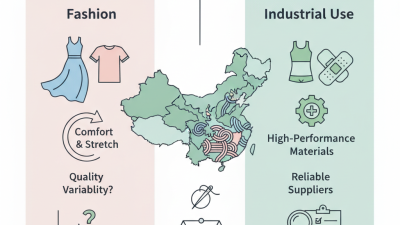
Yet, despite the market's growth, challenges remain. The availability of quality knit fabric can vary significantly. Sourcing reliable materials requires due diligence and a keen eye for detail. As we discuss the best options for 2026, it’s crucial to reflect on these factors to ensure creativity is matched by quality and responsibility.
Best Knit Fabrics for Fashion: Exploring Versatile Choices
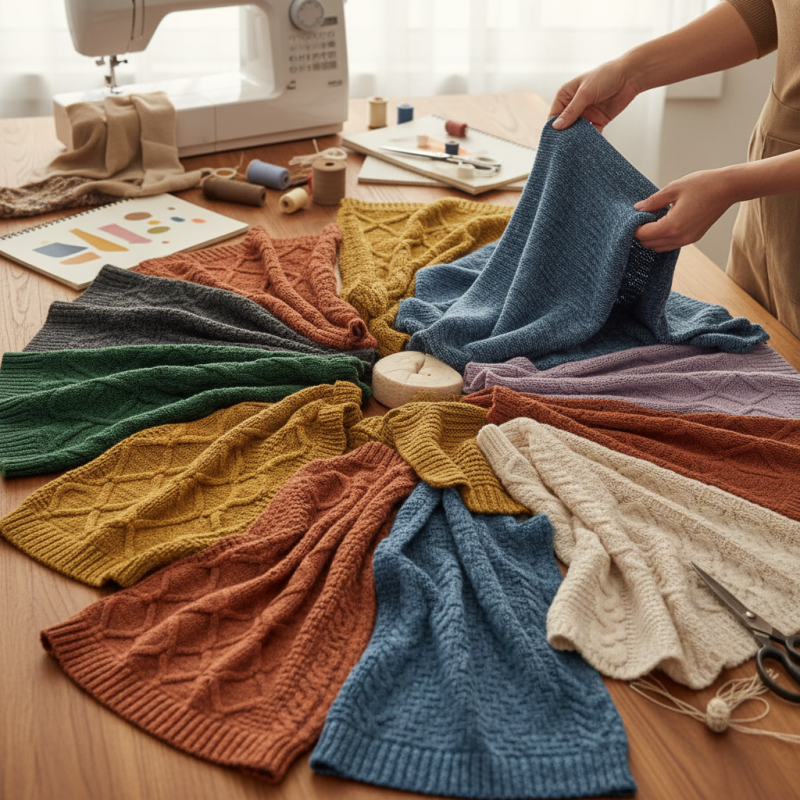
When exploring knit fabrics for fashion, versatility is key. A recent industry report indicates that the global knit fabric market is projected to grow by 4.5% annually. This growth highlights the increasing demand for various types of knit fabrics in fashion. Cotton blends, for instance, are popular for their breathability and comfort. They work well for casual wear and loungewear, making them a staple choice.
Another noteworthy option is jersey knit. Known for its stretch, jersey is ideal for fitted garments like t-shirts and dresses. According to fashion industry analysts, 65% of apparel designers now favor jersey knit for its adaptability. However, achieving the perfect balance of drape and stretch can be challenging. Designers must consider fabric weight and composition carefully.
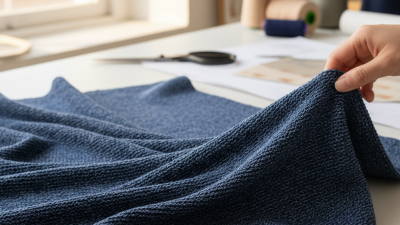
Finally, ribbed knits are gaining traction for their texture and structure. These fabrics add depth to simple designs and can elevate basic pieces. However, it's important to note that ribbed knits can be tricky to sew. Correct tension and alignment are crucial to avoid distortion. This highlights the need for a thoughtful approach when selecting and working with knit fabrics in creative projects.
2026 Best Knit Fabric Options for Creative Fashion and Home Projects
This chart illustrates the popularity of different knit fabric types based on their usage in fashion and home projects in 2026. The data reflects a growing trend for sustainable and versatile fabric choices among designers and crafters.
Top Knit Fabric Types for Home Decor Projects
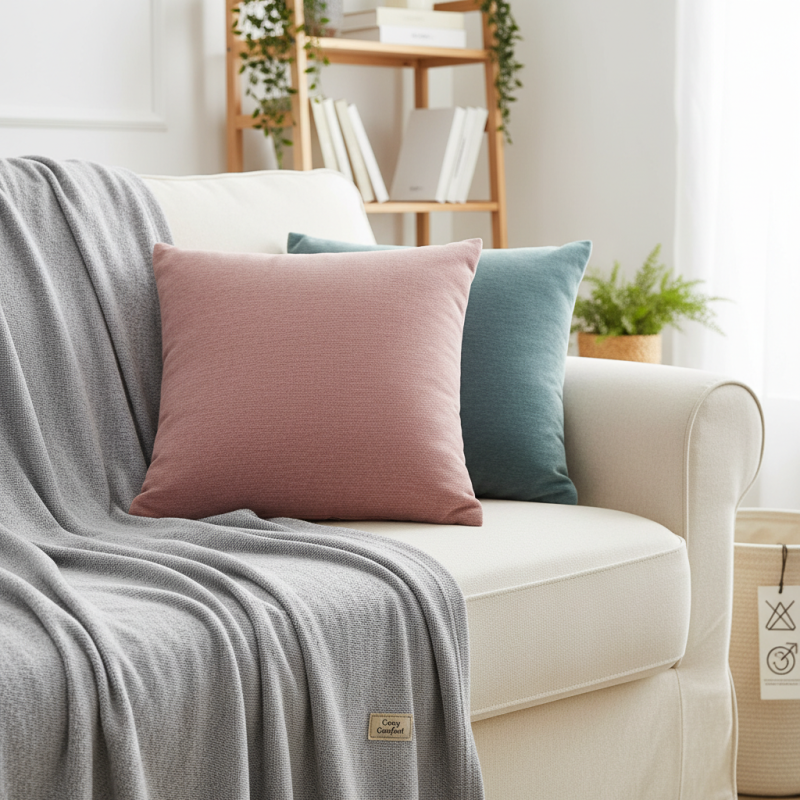
When considering knit fabric for home decor, several types stand out. French terry offers a soft, cozy feel ideal for cushion covers or throw blankets. Its looped texture provides comfort and warmth, perfect for any living space. However, this fabric can be tricky to wash, often requiring gentle cycles to maintain its quality.
Interlock knit is another versatile option. It’s durable and stretches well, making it perfect for various projects like pillowcases or casual drapes. The smooth surface gives a refined finish, yet it may not be as breathable as other fabrics. This can lead to overheating in warm climates.
Lastly, jersey knit is appreciated for its tendency to drape beautifully. It’s great for lightweight curtains or decorative table runners. However, its tendency to curl at the edges can be a downside. Skilled sewing techniques may be required to ensure durability and a polished appearance. Each fabric choice involves trade-offs, and it's crucial to weigh the pros and cons to find the best fit for your creative endeavors.
Factors to Consider When Selecting Knit Fabrics
Choosing the right knit fabric for your projects is crucial. Each type of knit has its own characteristics. Consider the weight, stretch, and texture. These factors directly affect the garment’s fit and drape. Lightweight knits are great for layering, while heavier options provide warmth and structure.
When selecting a knit, think about its intended use. For clothing, opt for fabrics that allow movement. Look for blends that offer flexibility and softness. Home projects may require sturdier options. Ensure the fabric complements the intended design.
Tips: Always pre-wash your fabric before cutting. This prevents shrinking later on. Test the stretch by gently pulling a sample. If it recovers well, it's a good sign. Conduct a burn test to determine fiber content. Understanding your fabric deeply can help avoid costly mistakes in the future.
Creative Uses of Knit Fabrics in Fashion Design
Knit fabrics are a staple in fashion design. Their versatility allows for unique creations. According to a 2023 report from the Textile Industry Association, 70% of designers incorporate knit textiles into their collections. This trend highlights how knits can enhance both style and comfort. These fabrics stretch and drape beautifully, making them ideal for garments like dresses and activewear.
In home projects, knit fabrics also shine. Designers often use them for cozy throws and chic cushions. A recent survey showed that 65% of homeowners prefer knit materials for interior textiles. However, choosing the right knit can be challenging. Different knits—like jersey, ribbed, or cable knit—have distinct properties. Each has its strengths and weaknesses, and knowing these can lead to better design decisions.
Yet, the road to mastering knit fabrics isn’t always smooth. Beginners often struggle with the technical aspects, like stitching and seam allowances. Realizing this limitation can lead to a more mindful approach in mastering knit techniques. The key lies in understanding the fabric's nature and experimenting with various designs to find what truly resonates.
Sustainable Knit Fabric Options for Eco-Friendly Projects
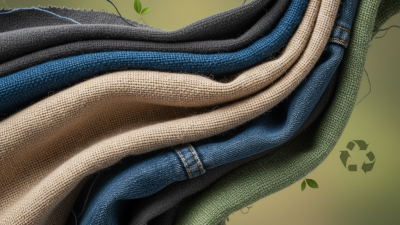
Sustainability is becoming essential in the textile industry. As we seek eco-friendly options, choosing sustainable knit fabrics is crucial. Many of these fabrics are made from recycled materials. They reduce waste and have a lower environmental impact. Organic cotton, for example, uses fewer chemicals during production. This makes it a top choice for conscious creators.
Recycled polyester is another innovative option. Made from discarded plastic bottles, it transforms waste into something beautiful. This process saves resources and energy compared to virgin polyester. Bamboo knit fabrics are soft and biodegradable. They grow quickly and require minimal water. However, some bamboo production practices raise concerns about deforestation.
Choosing sustainable fabrics often involves a compromise between eco-impact and fabric qualities. Not every sustainable option feels luxurious. Some might lack the stretch or drape desired in fashion design. It's essential to research and test different materials. Being eco-friendly can inspire creativity, but it requires commitment and mindfulness in selection.
2026 Best Knit Fabric Options for Creative Fashion and Home Projects
| Fabric Type |
Material Composition |
Weight (g/m²) |
Stretch (%) |
Eco-Friendly Features |
| Organic Cotton Jersey |
100% Organic Cotton |
150 |
30 |
Biodegradable, Low impact dye |
| Bamboo Knit |
95% Bamboo, 5% Spandex |
200 |
40 |
Sustainable, Biodegradable |
| Recycled Polyester Knit |
100% Recycled Polyester |
180 |
20 |
Made from post-consumer plastic |
| Hemp Knit |
100% Hemp |
160 |
25 |
Highly Durable, Pesticide-free |
| Tencel Knit |
100% Tencel |
170 |
25 |
Biodegradable, Water-efficient production |