2026 Best Weft Knitted Fabric Trends and Innovations for Your Projects?
Weft knitted fabric has become a focal point in fashion and textiles. As trends evolve, innovations in material and design continuously reshape the landscape. Expert Tomás Rivera, a leading figure in the weft knitted fabric industry, states, "Weft knitted fabric combines flexibility with creativity. It’s the future of textile innovation." His insight highlights the increasing importance of this fabric in contemporary projects.
Recent developments in weft knitted fabric focus on sustainability and versatility. Designers are experimenting with new blends, enabling improved performance and aesthetics. Yet, challenges remain. Many creators struggle to balance functionality and eco-friendliness. The journey towards fully sustainable weft knitted fabric is not straightforward.
Visualizing future trends can be exciting but can also lead to overestimations. Fashion cycles can change rapidly, leaving some projects obsolete. Balancing innovation and practicality is crucial. The exploration of weft knitted fabric is just beginning. Embracing imperfections will be part of the journey.
2026 Weft Knitted Fabric: An Overview of Current Trends
Weft knitted fabrics are seeing exciting trends in 2026. The industry is shifting towards sustainability. Organic fibers create a smaller carbon footprint. Reports suggest that the demand for eco-friendly materials has increased by 25% in the last year. Designers favor vibrant colors and complex textures. These choices elevate garments and make them stand out.
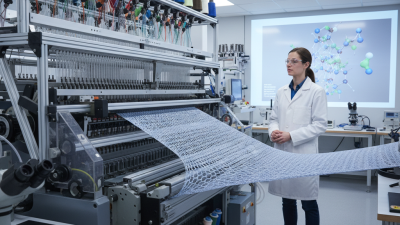
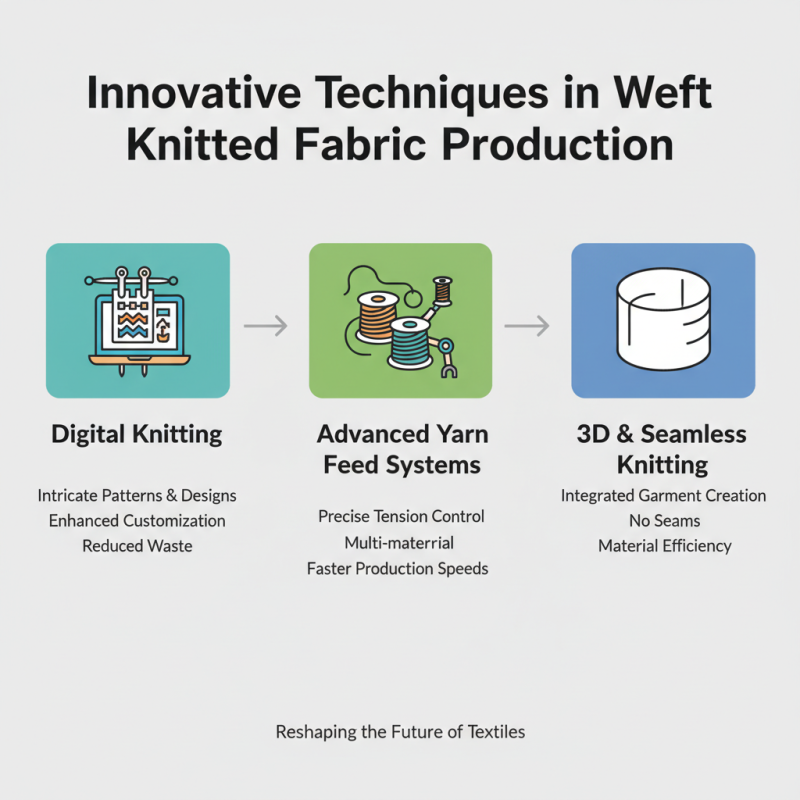
Innovations like 3D knitting technology are revolutionizing production. This method reduces waste and enhances customization. According to industry analysts, the global knitting market is expected to grow by 15% annually. However, challenges remain. Not all manufacturers can invest in this technology. Smaller brands often struggle to keep up.
**Tips:** Embrace mixed materials for unique combinations. Experiment with layering different knit types. Focus on quality over quantity in your fabric choices. Understand market trends, but don’t forget to incorporate your creative vision. The balance is crucial. Reflect on your approaches, as the fabric world is evolving quickly.
2026 Best Weft Knitted Fabric Trends
Popular Fabrics and Patterns for 2026 Weft Knitted Projects
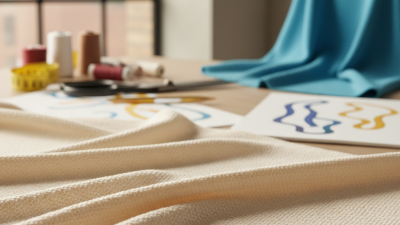
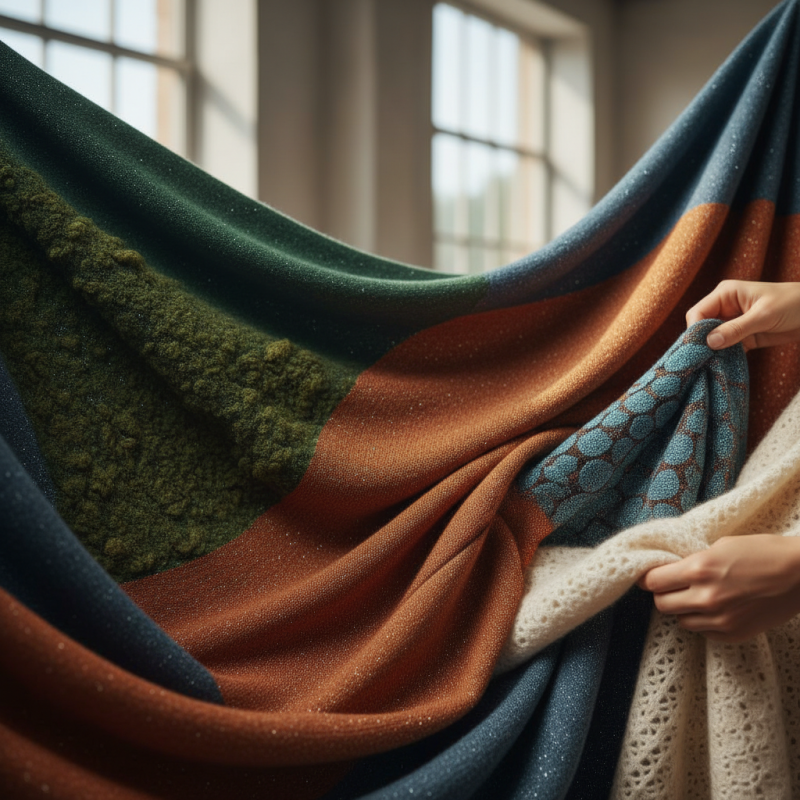
As we step into 2026, the weft knitted fabric scene is bursting with creativity. This year, soft textures and bold patterns take center stage. Think of fluffy knits that invite touch and warmth, perfect for cozy garments and accessories. The demand for breathable, lightweight fabrics is strong. Many are leaning towards eco-friendly options, embracing sustainability in their choices.
Patterns are evolving too. Geometric shapes and nature-inspired designs are making waves. You’ll see striking color combinations that can elevate any project. However, not every innovative idea lands perfectly. Some patterns may clash, challenging designers to rethink their choices. It’s essential to balance trendiness with timelessness.
Experimentation is key. Layering different textures can create dynamic looks, yet it is important to find harmony. Sometimes a simple, classic knit outweighs a complex design. Embracing imperfection leads to unique creations, offering a personal touch to each piece. Each project is a journey of exploration.
Sustainable Practices in Weft Knitted Fabric Manufacturing
In the evolving world of weft knitted fabric, sustainability is becoming essential. Many manufacturers are now integrating eco-friendly materials into their processes. Organic cotton and recycled fibers are gaining popularity. These materials reduce waste and lower the environmental footprint. However, sourcing these materials can sometimes be challenging.
The production methods also play a crucial role. Energy-intensive processes can negate the benefits of using sustainable materials. Some factories face high energy costs that lead them to rely on conventional methods. This leads to a contradiction in their sustainability claims. Efforts to incorporate renewable energy, such as solar power, are underway, yet not widespread.
Innovation in dyeing techniques is another area to watch. Traditional dyeing often uses harmful chemicals. Alternative dyeing methods, like using natural dyes, can be less damaging. However, these methods sometimes lack colorfastness, which raises questions. Each choice presents a balance between environmental responsibility and practical functionality. The journey towards sustainable weft knitted fabric is still unfolding, with much to reflect upon.
2026 Best Weft Knitted Fabric Trends and Innovations for Your Projects - Sustainable Practices in Weft Knitted Fabric Manufacturing
| Trend/Innovation |
Description |
Sustainability Aspect |
Expected Impact |
| Recycled Fiber Use |
Incorporating recycled materials into weft knitting to reduce waste. |
Decreases landfill waste and lowers resource consumption. |
Enhances brand image and attracts eco-conscious consumers. |
| Plant-Based Fibers |
Utilization of organic cotton, hemp, and bamboo in knitted fabrics. |
Reduces reliance on synthetic fibers and promotes sustainable agriculture. |
Potential for new market segments focusing on natural materials. |
| Closed-Loop Production |
Manufacturing processes that reuse water and energy in production. |
Conserves natural resources and reduces output emissions. |
Improves efficiency and could reduce production costs over time. |
| Digital Fabric Printing |
Adoption of digital techniques to print designs directly onto knit fabrics. |
Minimizes dye usage and water waste compared to traditional methods. |
Increases design flexibility and faster turnaround times for production. |
| Smart Fabrics |
Integration of technology for added functionalities like moisture management. |
Enhances performance of fabrics while allowing for minimalist production techniques. |
Expands applications in athletic and health-related industries. |
Design Inspiration: Styling with Weft Knitted Fabrics in 2026
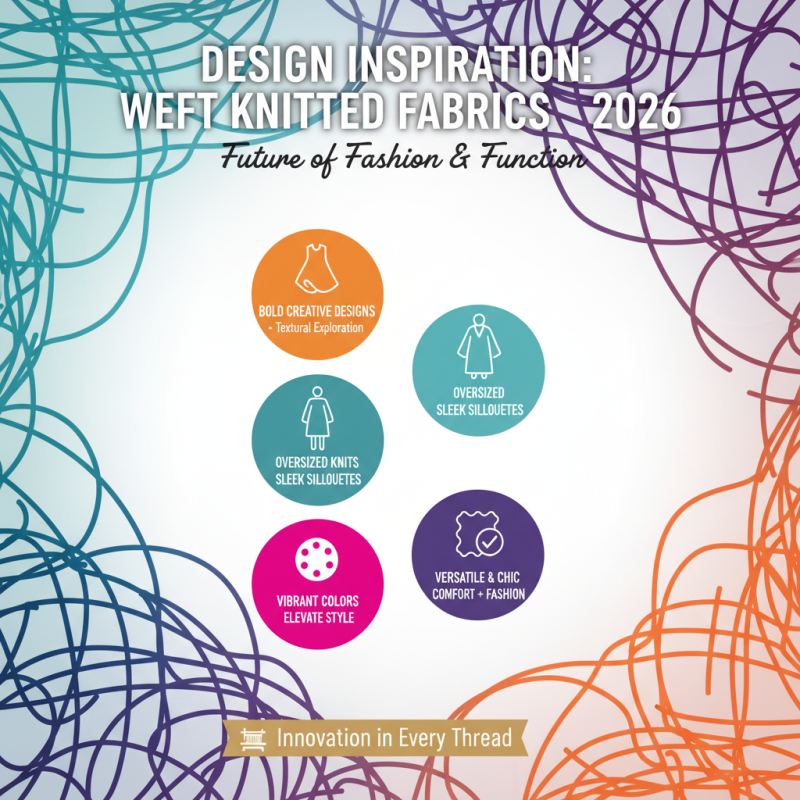
In 2026, weft knitted fabrics will inspire bold, creative designs. Artists and designers are exploring textures and patterns that combine function and beauty. Think oversized knits paired with sleek silhouettes. Vibrant colors can elevate a simple outfit, making it stand out. Weft knits are versatile, offering comfort while looking chic.
When integrating weft knitted fabrics, consider mixing different weights. A light knit can contrast beautifully with a heavier fabric. Layering enhances visual interest. Don’t shy away from experimenting. Sometimes, the best designs come from unexpected combinations. Remember, imperfections can add character. Embrace those unique flaws in your projects.
Tips: Always pre-wash your fabrics. This reduces shrinkage later. Test how different yarns feel against the skin. Comfort is key. When in doubt, keep it simple. A single standout piece can be enough to make a statement. Enjoy the process, and let your creativity flow.