2026 Top Trends in Cationic Interlock Fabric for Fashion and Functionality?
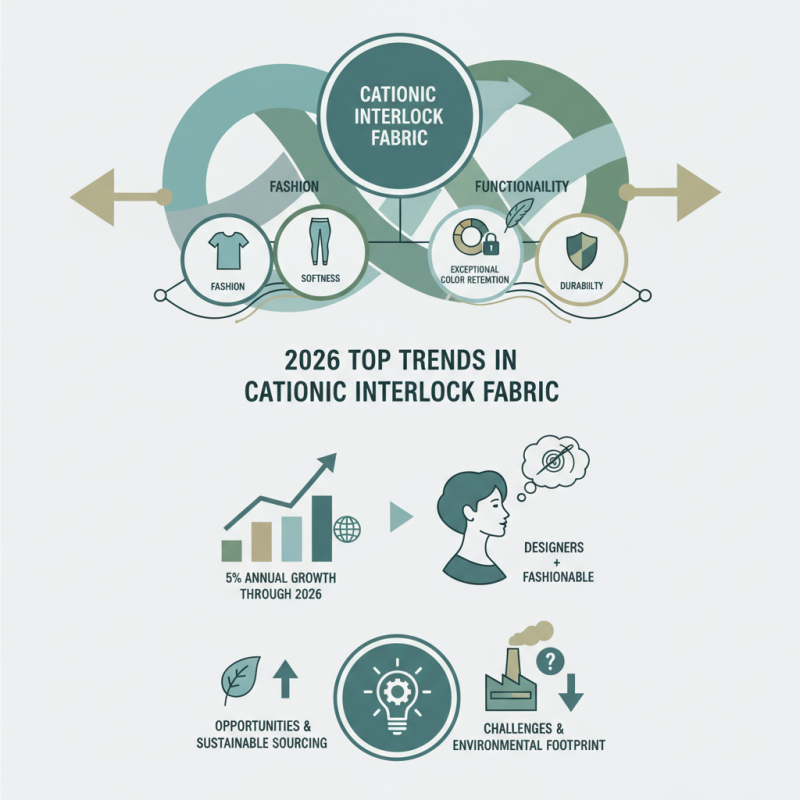
In recent years, Cationic Interlock Fabric has emerged as a key player in the fashion industry, blending functionality with style. This innovative fabric is known for its exceptional color retention and softness, making it a popular choice for both casual and athletic wear. According to a recent report by Textile World, the market for specialty fabrics, including Cationic Interlock, is projected to grow by 5% annually through 2026.
Expert Jane Smith, a leading textile analyst, emphasizes the significance of this trend: "Cationic Interlock Fabric stands out for its ability to combine durability with aesthetic appeal." This unique blend has captured the attention of designers striving for sustainable yet fashionable clothing options. The demand for such fabrics indicates a broader shift towards conscious consumerism.
However, as brands adopt Cationic Interlock Fabric, they face challenges in sourcing sustainable sources. The fast-fast fashion industry's impact on fabric production raises questions about its overall environmental footprint. Designers must navigate these complexities while staying true to aesthetic and functional aspirations. This landscape presents both opportunities and hurdles as we approach 2026, highlighting the need for continuous innovation in fabric technology.
2026 Projected Growth of Cationic Interlock Fabric in Fashion Industry
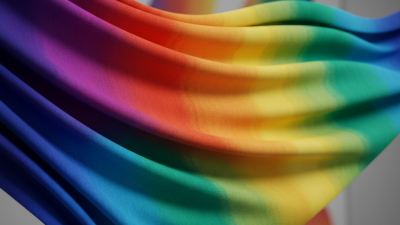
The fashion industry is witnessing a rise in cationic interlock fabric. This material is both stylish and functional, making it a favorite among designers. Its unique properties allow for vibrant colors and patterns, appealing to a broad audience. As sustainable fashion becomes essential, cationic interlock offers a practical solution. It is often made from recycled materials, aligning with eco-friendly practices.
Projected growth in this sector suggests a significant shift in textile preferences. Analysts predict an increase in demand for lightweight, breathable fabrics. Cationic interlock meets these needs while offering durability. However, some challenges remain. Not all manufacturers can maintain quality during production. This inconsistency might affect consumer trust.
Fashion brands must adapt to these changing dynamics. Proper sourcing and quality control will be essential for success. As cationic interlock gains traction, the industry must acknowledge the need for continuous improvement. It is vital to stay updated with technological advancements. This will ensure the fabric’s longevity in a competitive market.
2026 Top Trends in Cationic Interlock Fabric for Fashion and Functionality
| Trend |
Key Features |
Projected Growth (%) |
Applications |
| Sustainable Materials |
Eco-friendly, Recyclable |
15% |
Activewear, Casualwear |
| Moisture-Wicking |
Enhanced breathability, Quick-dry |
20% |
Athletic wear, Sports uniforms |
| Color Fastness |
Vibrant colors, Durable finish |
18% |
Fashion apparel, Workwear |
| Anti-Microbial Properties |
Odor control, Health benefits |
12% |
Healthcare uniforms, Athleisure |
| Stretch and Recovery |
Comfort, Fit retention |
22% |
Yoga pants, Performance gear |
Key Performance Characteristics of Cationic Interlock Fabric in Apparel
Cationic interlock fabric is gaining traction in the fashion world. Known for its unique dyeing ability, this textile boasts vibrant hues that maintain their brilliance wash after wash. It stands out with its smooth surface and soft touch, making it a favorite for clothing that requires both comfort and aesthetic appeal. Additionally, the fabric's stability during wear enhances its reputation, as it resists distortion while retaining shape over time.
Its performance characteristics are undeniable. Cationic interlock fabric offers moisture-wicking properties that keep wearers dry, an essential feature for active lifestyles. The fabric is also lightweight yet durable, making it versatile for various apparel types. However, some users have noted that its breathability may not be adequate in extremely hot conditions. This is a factor to consider when selecting cationic interlock for summer wear.
Moreover, cationic interlock fabric supports sustainable practices. The dyeing process often uses fewer harmful chemicals compared to traditional methods. However, there are concerns about production practices, as sustainability standards can vary. Overall, cationic interlock holds promise in bridging the gap between fashion and functionality, but careful consideration of its limitations is essential for manufacturers and consumers alike.
Sustainability Trends Impacting Cationic Interlock Fabric Production
The production of cationic interlock fabric is undergoing transformative changes due to sustainability trends. Manufacturers are increasingly focusing on eco-friendly materials and processes. This shift is driven by consumer demand for greener products, which emphasizes reducing carbon footprints.
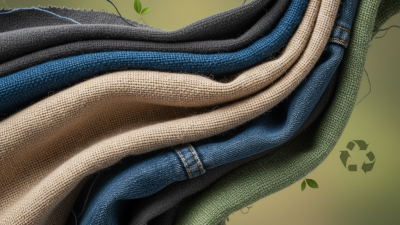
Recycled fibers are becoming popular in cationic interlock fabric. While the technology has advanced, some challenges remain. Not all recycled materials offer the same durability. This inconsistency can affect fabric quality. Additionally, sourcing these materials can be complex. Transparency in the supply chain is crucial.
Moreover, the dyeing process in cationic fabrics is evolving. Waterless dyeing techniques are gaining traction. They reduce water usage significantly. However, these methods can be expensive to implement. Not every factory can afford this shift. These hurdles remind us that while progress is evident, there is still a long road ahead to truly sustainable practices.
2026 Trends in Cationic Interlock Fabric for Fashion and Functionality
Consumer Preferences Shaping Cationic Interlock Fabric Innovations
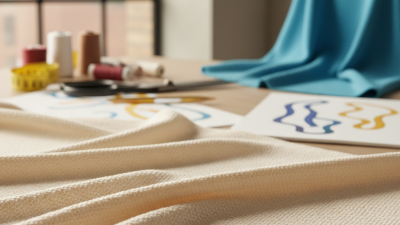
Consumer preferences are driving significant changes in the cationic interlock fabric market. This innovative fabric, known for its smooth texture and vibrant hues, appeals to both fashion-forward individuals and those seeking functionality. Shoppers crave versatility and comfort without sacrificing style. This demand influences textile innovations, leading to fabrics that are not only eye-catching but also durable and easy to maintain.
Sustainability is becoming a key preference among consumers. Many are looking for eco-friendly options in their wardrobe. This shift prompts manufacturers to explore sustainable dyes and production methods. However, not all manufacturers are keeping up. Some still rely on traditional methods that negatively impact the environment. This discrepancy highlights a need for more brands to prioritize ethical practices while embracing consumer demands for sustainability. As cationic interlock fabric evolves, the challenge lies in balancing style, functionality, and environmental responsibility.
Technological Advancements Driving Cationic Interlock Fabric Functionality
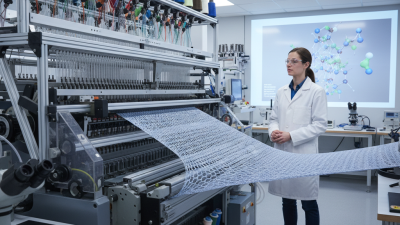
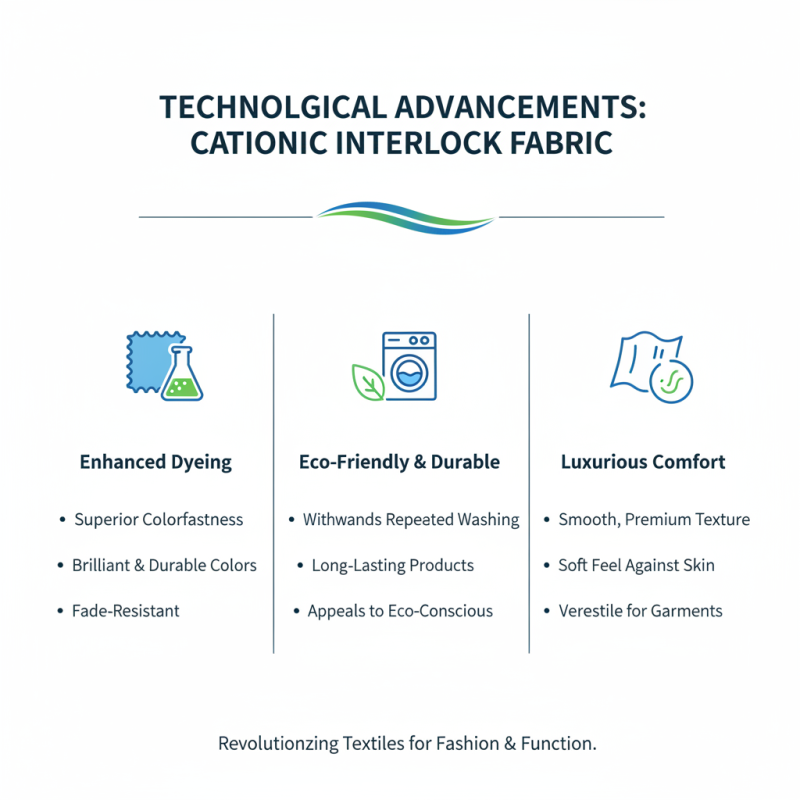
Cationic interlock fabric is revolutionizing the textile industry with its innovative technology. The advancements in dyeing methods enhance colorfastness, making the fabric vibrant and durable. This is crucial for both fashion and functionality. With the ability to withstand repeated washing, it appeals to eco-conscious consumers who seek long-lasting products. Besides, its smooth texture adds a luxurious feel, making it desirable for various garments.
Tips: When choosing cationic interlock fabric, look for weight and breathability. These factors affect the drape and comfort of your clothing. Consider how the fabric will perform in daily use.
Moreover, technological enhancements have led to better moisture-wicking properties. This function keeps the wearer cool and dry, ideal for both activewear and casual outfits. As designs become more versatile, the use of this fabric expands beyond traditional garments. Reflect on how versatility can streamline wardrobe choices, making fashion both practical and stylish.
However, not all cationic interlock fabrics are created equal. Some may still show wear over time, which can be frustrating. Understanding the care requirements is essential to maintain its appearance and functionality.