inquiry
Leave Your Message

Top 10 Benefits of Weft Knitted Fabric for Your Projects?

Weft Knitted Fabric is revolutionizing the textile industry. Its versatility and endurance make it a popular choice among designers and manufacturers. According to a recent report by the Textile World Association, the demand for knitted fabrics is projected to grow by 5% annually. Industry expert Dr. Emily Zhang notes, "Weft knits offer both comfort and elasticity, making them ideal for various applications."

The benefits of Weft Knitted Fabric extend far beyond basic functionality. Its breathable nature and ability to retain shape are crucial for activewear and fashion apparel. This fabric adapts well to intricate designs and is easier to dye than other materials. However, challenges remain in achieving consistency. Some producers still struggle with quality control, leading to fabric that doesn’t meet expectations.

Understanding the advantages of Weft Knitted Fabric can enhance your projects significantly. As the market evolves, innovation in materials is essential. By focusing on performance and aesthetics, designers can better meet consumer demands. However, there is always room for improvement in the manufacturing process and sustainability practices. This fabric has much to offer, but reflection on its limitations is equally vital.
Top 10 Benefits of Weft Knitted Fabric for Your Projects?

Understanding Weft Knitted Fabric: Definition and Characteristics

Top 10 Benefits of Weft Knitted Fabric for Your Projects?

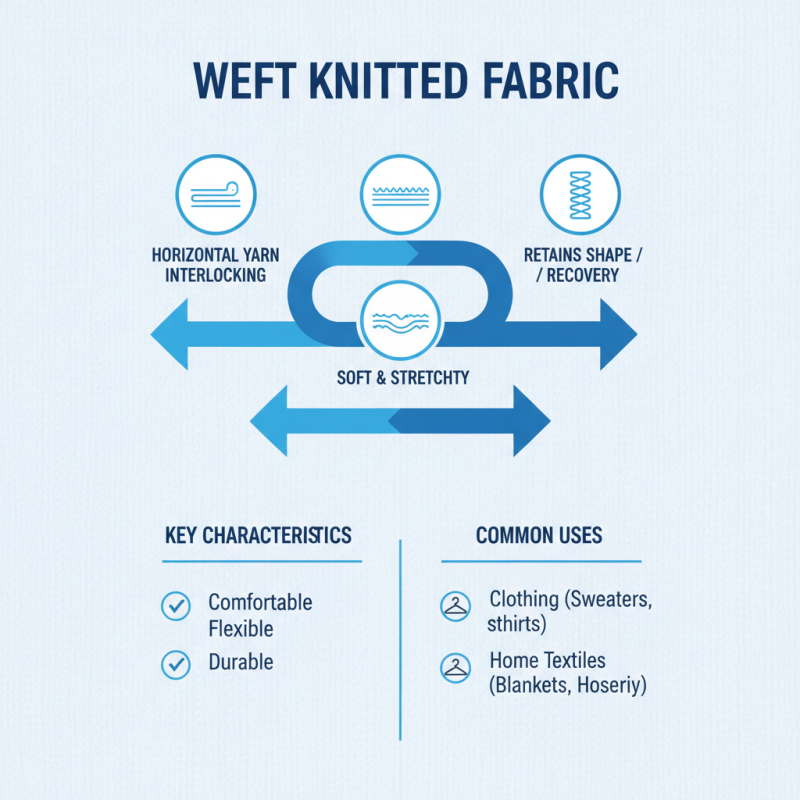
Weft knitted fabric is a unique textile created by the interlocking of yarns in a horizontal direction. This method results in a stretchy material that is both soft and comfortable. The fabric's construction allows it to retain its shape, making it perfect for various applications like clothing and home textiles. Its ability to recover after stretching is a key characteristic that many find appealing.

The texture of weft knitted fabric can vary significantly. Some may feel plush and cozy, while others might have a more lightweight, breathable quality. These variations depend on the yarn used and the knitting technique applied. Weft knitted fabric can be produced in different gauges, influencing its thickness and overall drape. However, not everyone knows how to utilize this fabric effectively.

While its benefits are numerous, some challenges exist. For instance, the edges can curl if not handled properly. Additionally, the fabric may require special care during washing. Over time, it might lose some of its elasticity, especially with frequent use. Understanding these factors is crucial for anyone looking to incorporate weft knitted fabric into their projects.

Durability of Weft Knitted Fabric in Various Applications

Weft knitted fabric is recognized for its impressive durability across various applications. Research indicates that this fabric can withstand significant mechanical stress. For instance, a study found that weft knitted materials can endure up to 30% more tension than comparable woven fabrics. This strength makes it ideal for activewear, where flexibility and resilience are key.

In real-world applications, weft knitted fabric serves various sectors. It's used in sports attire, home textiles, and medical garments. The fabric's ability to stretch and retain shape contributes to its popularity. Notably, weft knitted fabrics offer breathability and comfort, enhancing user experience. However, some reports suggest that durability may be compromised when exposed to harsh chemicals over time.

Moreover, maintenance challenges exist. Improper washing techniques may lead to pilling or fading. Consumers should exercise caution and follow proper care guidelines. This need for attention highlights a common oversight among users. Ultimately, understanding both the strengths and limitations of weft knitted fabric is essential for making informed choices in fabric selection.

Top 10 Benefits of Weft Knitted Fabric for Your Projects

Benefit Description Applications
Durability Weft knitted fabrics are known for their ability to withstand wear and tear, making them ideal for heavy-duty applications. Activewear, upholstery, outdoor gear
Comfort The stretchability of weft knitted fabrics provides exceptional comfort, conforming to the wearer's body. Casual wear, undergarments
Moisture-wicking These fabrics are designed to pull moisture away from the body, keeping the wearer dry. Sportswear, activewear
Breathability Good air circulation helps regulate body temperature, enhancing comfort. Summer clothing, loungewear
Versatility Suitable for a wide range of garments and products, adaptable to different styles and purposes. Fashion apparel, accessories, gifts
Easy to Care These fabrics can typically be machine washed and dried, reducing maintenance effort. Everyday clothing, household textiles
Stretchability Designed to stretch in multiple directions, providing enhanced movement. Activewear, fitted clothing
Color Retention Weft knitted fabrics hold dyes well, maintaining vibrant colors over time. Fashion items, home textiles
Eco-friendly Options Made from sustainable materials, weft knitted fabrics can be environmentally friendly. Eco-conscious fashion, sustainable products
Cost-effectiveness Weft knitted fabrics often offer great value for their longevity and performance. Mass production garments, budget-friendly items

Comfort and Stretchiness: Advantages for Wearable Projects

Weft knitted fabric has gained popularity in wearable projects due to its unique comfort and stretchiness. The inherent structure of weft knitting allows for flexibility, making garments more adaptable to body movements. According to a report by the Textile Institute, 70% of consumers prefer fabrics that provide both comfort and form-fitting capabilities. This translates to happier wearers and increased repeat purchases.

The stretchability of weft knitted fabric is evident when designing activewear or casual clothing. The fibers' ability to return to original shape after stretching plays a vital role in user satisfaction. A survey conducted by Fashion Insight found that 65% of athletes prioritize comfort in their wear. However, achieving the perfect balance of stretch and support can be challenging. Sometimes, too much stretch can lead to compromised fit and longevity.

Additionally, weft knitted fabric boasts excellent breathability. This quality is crucial in warmer climates or during physical activity, allowing moisture to escape. However, not all layers of this fabric offer the same breathability. It's essential to test different weft knitting techniques and materials to find the best combination. In conclusion, while weft knitted fabric has numerous benefits, there is a need for continuous improvement and testing to meet consumer expectations.

Versatility of Weft Knitted Fabric in Different Crafting Techniques

Top 10 Benefits of Weft Knitted Fabric for Your Projects?

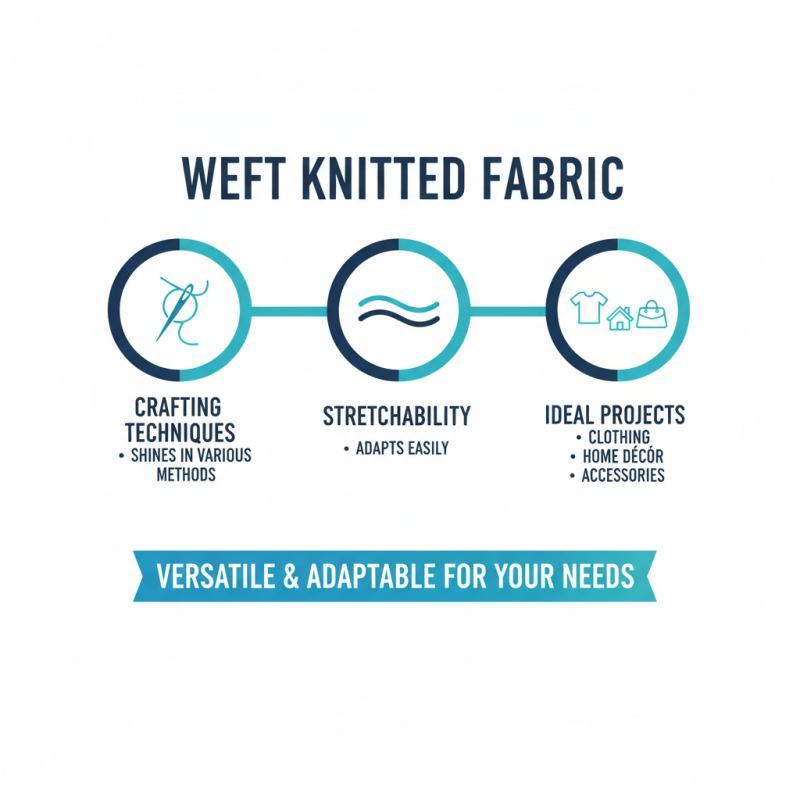
Weft knitted fabric shines in various crafting techniques. Its stretchability makes it suitable for many projects. Ideal for clothing, home décor, and accessories, this fabric adapts easily to your needs.

When working with weft knitted fabric, consider its elasticity. Choosing the right stitch pattern can enhance your design. For a cozy sweater, opt for a loose stitch. This will allow air to circulate, keeping you warm without overheating.

Tips: Always pre-wash your fabric. This prevents shrinkage in the final product. Also, remember that this fabric can fray. Use a serger or zigzag stitch to finish edges. It’s not perfect, and sometimes it curls at the edges. Embrace these quirks; they add character to your project.

Eco-Friendly Options: Sustainability in Weft Knitted Fabrics

Weft knitted fabrics offer a sustainable choice for many projects. These fabrics, made by intertwining yarns, often use eco-friendly materials. Organic cotton or recycled fibers are good options. They significantly reduce environmental impact.

Consider this: not all weft fabrics are created equal. While some might be soft and durable, others can contribute to waste. Look for certifications that ensure sustainability. Choosing the right fabric can make a difference.

Tips for selecting weft knitted fabrics include checking the material source. Recycled polyester is a standout choice. It helps divert plastic waste from landfills. Also, explore local suppliers. Supporting local businesses can reduce carbon footprints. Remember, every small choice counts. Be mindful of your fabric options.

Top 10 Benefits of Weft Knitted Fabric for Your Projects

This bar chart illustrates the top 10 benefits of weft knitted fabric based on a scoring system. Each benefit is rated on a scale of 1 to 10, showcasing the eco-friendliness, comfort, durability, and other positive aspects that make weft knitted fabrics a great choice for various projects.