Best Recycled Fabric Options for Sustainable Fashion?
In the quest for sustainable fashion, the focus on recycled fabric has gained momentum. These options provide a powerful way to reduce waste and minimize environmental impact. Brands are increasingly turning to materials like recycled polyester and organic cotton, making strides in eco-friendly practices.
However, the journey is not without its challenges. Innovations in recycling technology are continually evolving, yet many processes still require significant energy. Consumer awareness is also essential. Shopping for sustainable fabrics means understanding their origins and benefits. Many recycled materials might not offer the same level of quality as their virgin counterparts, raising questions about durability.
As we explore the best recycled fabric options, it's important to reflect on our choices. Are we truly supporting sustainable practices? The conversation about recycled fabrics is ongoing, and we must remain engaged. By making informed decisions, we can contribute to a more sustainable future in fashion.
Best Recycled Fabric Options for Sustainable Fashion
Recycled fabrics play a crucial role in sustainable fashion. They help reduce waste and minimize our ecological footprint. Many materials can be recycled, like polyester from plastic bottles or cotton scraps from garment production. These fabrics create new life from old materials, promoting a circular economy.
When choosing recycled fabrics, it’s essential to consider their environmental impact. Look for options that require less water and energy in their production. Not all recycled materials are created equal. Some processes can still harm the environment. Always research before buying.
Tips for sustainable fabric choices:
- Opt for fabrics made from post-consumer waste. This reduces landfill accumulations.
- Check for certifications that indicate eco-friendly practices.
- Mix and match different recycled fabrics to create unique styles.
Embrace imperfection in fabric as a reminder of the journey from waste to wear. It’s not about perfection but the effort to make better choices.
Types of Recycled Fabrics Used in Sustainable Fashion
Recycled fabrics are transforming the fashion industry. They reduce waste and minimize environmental impact. Many types of recycled fabrics are widely used in sustainable fashion. Some of these include recycled polyester, nylon, and organic cotton blends.
Recycled polyester comes from post-consumer plastic bottles. This process conserves resources and significantly reduces energy use. The result is a fabric that is lightweight, durable, and versatile. However, it can still shed microplastics during washing, raising concerns about ocean pollution.
Recycled nylon, often sourced from discarded fishing nets, offers a unique solution to both waste and marine health. It has excellent strength and elasticity. Yet, the production process may still involve harmful chemicals. Organic cotton blends, created from post-industrial waste, provide a soft feel and are more sustainable. But they may not always retain the durability of standard cotton fabrics. Each option has its advantages and drawbacks, making mindful selection essential in sustainable fashion.
Best Recycled Fabric Options for Sustainable Fashion
| Fabric Type |
Source Material |
Characteristics |
Uses |
| Recycled Polyester |
Plastic Bottles |
Durable, moisture-wicking |
Activewear, outerwear |
| Recycled Cotton |
Post-Consumer Cotton Waste |
Soft, breathable |
T-Shirts, denim |
| Recycled Nylon |
Fishing Nets |
Strong, elastic |
Sportswear, swimwear |
| Recycled Wool |
Post-Consumer Wool Garments |
Warm, insulating |
Knitwear, coats |
| Recycled Linen |
Flax Waste |
Cool, breathable |
Summer clothing, home textiles |
Environmental Impact of Recycled Fabrics
Recycled fabrics play a crucial role in sustainable fashion. They significantly reduce the need for new raw materials. This helps conserve resources like water and energy. However, the environmental impact is not always positive. The recycling process can consume energy, which could counteract some benefits.
Many recycled fabrics contain fibers from post-consumer waste. This means old clothes or plastic bottles get new life. Yet, the quality of these fabrics can vary widely. They may wear out quickly or cause microplastic pollution when washed. It’s essential to scrutinize the lifecycle of these materials.
The real challenge lies in ensuring that recycled fabrics truly minimize harm. Some companies prioritize using cleaner energy sources. Still, transparency in manufacturing remains a concern. Consumers must demand accountability. As we embrace recycled fabrics, we should also reflect on our choices and their broader impact. Are we really making a positive difference?
Best Recycled Fabric Options for Sustainable Fashion
This bar chart represents the environmental impact scores of various recycled fabrics commonly used in sustainable fashion. Lower scores indicate better environmental performance, with recycled denim performing the best among the options listed.
Benefits of Using Recycled Fabrics in Fashion Industry
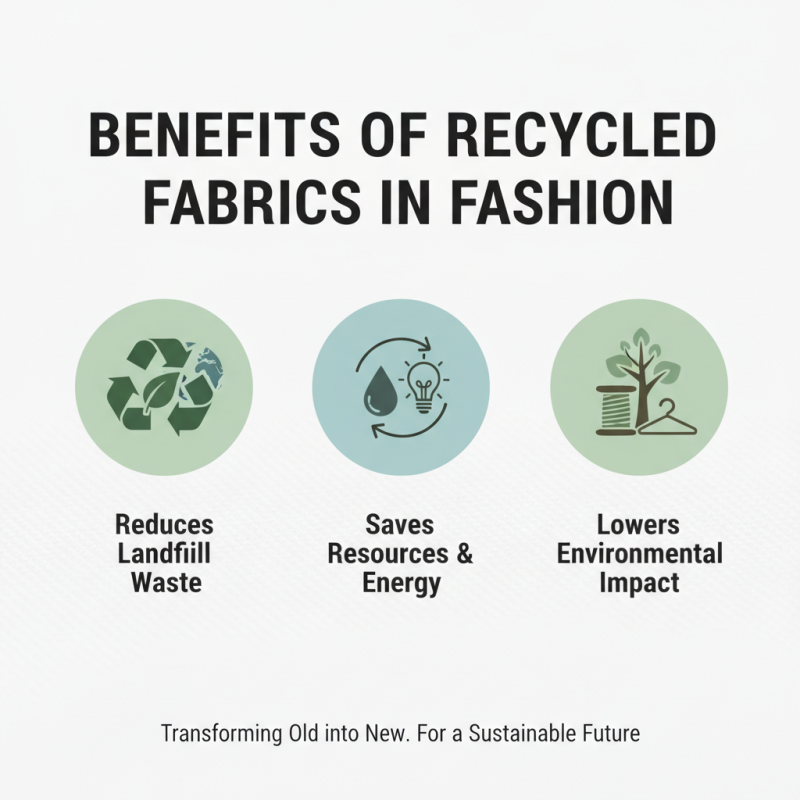
The fashion industry has a significant impact on the environment. Using recycled fabrics can help reduce this impact. These materials come from post-consumer or post-industrial waste. By transforming old textiles into new fabrics, we lessen the amount of waste in landfills. This process conserves resources and energy.
Recycled fabrics offer various benefits. They often require less water and energy during production. Furthermore, they help decrease greenhouse gas emissions. However, not all recycled materials are created equal. Some may contain residual chemicals from previous manufacturing processes. This raises questions about sustainability. It's essential to source high-quality recycled fabrics.
Incorporating recycled fabrics can also promote a circular economy. This shift encourages consumers to make mindful choices. Yet, challenges remain in ensuring quality and durability. Transparency in sourcing these fabrics is crucial. Brands must cultivate trust with consumers about their sustainability efforts. The dialogue around recycled fabrics continues to evolve, revealing areas for improvement.
Challenges and Innovations in Recycled Fabric Production
The journey of producing recycled fabrics is not without its hurdles. One major challenge lies in the collection and sorting of post-consumer materials. Many fabric waste items end up in landfills due to improper recycling processes. This inefficiency leads to a significant amount of waste, undermining the sustainability that recycled fabrics aim to achieve.
Technology plays a pivotal role in overcoming these challenges. Innovations in recycling methods, like chemical recycling, extract fibers more efficiently. This process allows for higher-quality recycled materials. Yet, technology can be expensive and is not accessible to all producers, which creates disparities in the industry.
Tips: Focus on sourcing locally. Supporting local businesses can reduce transportation emissions and promote community engagement. Consider attending workshops to learn about sustainable practices. Educating yourself helps you buy responsibly. Small habits, such as regularly checking fabric labels, can lead to more sustainable choices.
Despite these advancements, the scale of production can lead to compromises. Some facilities prioritize output over ethical sourcing. It's important to remain vigilant about the origins of recycled materials. The pursuit of sustainability is an ongoing process, demanding constant reflection and improvement.