Best Recycled Fabric Trends at 2026 Canton Fair China?
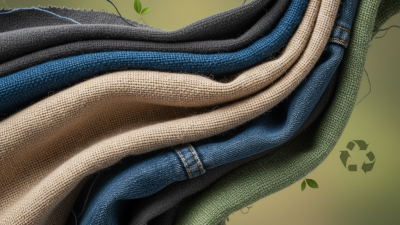
As we look to the 2026 Canton Fair in China, the focus on "Recycled Fabric" is increasingly crucial. This trade event, scheduled from April 15 to May 5, will showcase advancements in sustainable textiles. Industry experts predict that the global recycled fabric market will reach $10 billion by 2026.
Expert in the field, Dr. John Patel, emphasizes, "The future of fashion must embrace recycled materials to create a circular economy." He identifies that innovation in recycled fabrics can reduce environmental impact significantly. With increased consumer awareness, brands are now prioritizing sustainability.
Moreover, the integration of AI technologies at the Canton Fair allows for efficient sourcing. Buyers can quickly find suppliers that meet specific sustainability standards. However, despite these advancements, the industry still wrestles with challenges like quality control in recycled materials. Continuous improvement is essential for success in this evolving market.
Emerging Recycled Fabric Innovations Showcased at 2026 Canton Fair
The 2026 Canton Fair in China highlighted exciting innovations in recycled fabrics. These materials are gaining traction as sustainability becomes a priority in the fashion industry. Reports indicate that the global recycled textiles market is expected to reach $10 billion by 2027, reflecting a significant shift towards eco-friendly options.
Innovative techniques are making it possible to create soft and durable fabrics from discarded materials. For example, advancements in fiber regeneration are leading to stronger, more versatile textiles. The use of post-consumer plastic bottles is a common method to produce high-quality recycled polyester, which reduces waste and conserves resources. Many exhibitors showcased fabrics that not only demonstrate functionality but also striking designs.
Tips: Look for certifications that ensure the quality and sustainability of recycled fabrics. Check for transparency in production processes too. Engaging with manufacturers who commit to ethical practices can pave the way for more responsible sourcing.
Despite these advancements, challenges remain. Not all recycled fabrics perform as well as conventional ones. There is still a misconception about the quality associated with recycled materials. As the industry evolves, continuous innovation and consumer education are key to addressing these gaps.
Key Manufacturers Leading the Recycled Fabric Trend in 2026
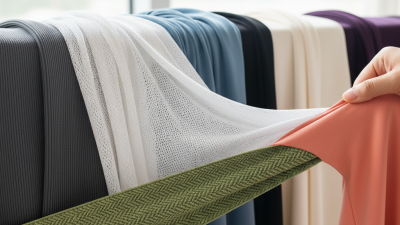
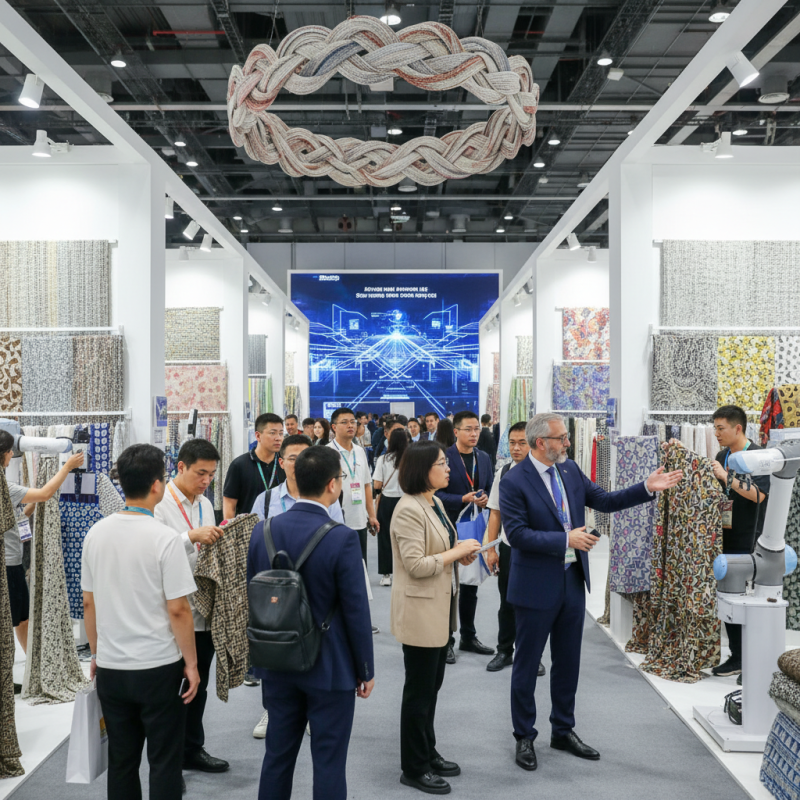
The 2026 Canton Fair has become a pivotal event for manufacturers focused on recycled fabrics. It showcases innovations in sustainability and design. Key players in the industry are stepping up their game, creating fabrics from recycled PET bottles, organic cotton, and waste textiles. These fabrics not only reduce environmental impact but also deliver high performance.
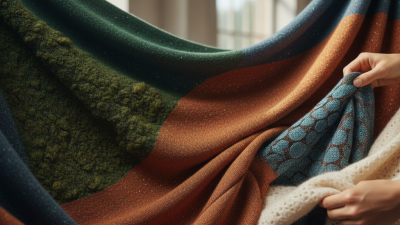
Many manufacturers are experimenting with color and texture, pushing the boundaries of recycled materials. They aim to attract consumers who value eco-friendly choices. Some exhibit striking prints and unique weaves that challenge traditional concepts. Yet, there are still hurdles. Sourcing quality materials can be inconsistent, affecting the final product's durability and feel.
Consumer awareness is growing, but education is vital. Some people remain skeptical about recycled fabrics’ quality. Addressing this concern is essential for wider acceptance. The focus on transparency in production will play a crucial role. Highlighting processes and materials can help build trust. The journey of recycled fabric is evolving, and it’s exciting yet challenging.
Best Recycled Fabric Trends at 2026 Canton Fair China?
| Fabric Type |
Recycled Content (%) |
Key Features |
Applications |
Sustainability Rating |
| Recycled Polyester |
100% |
Lightweight, Durable, UV-resistant |
Activewear, Outdoor Gear |
A+ |
| Recycled Cotton |
85% |
Soft, Breathable, Biodegradable |
Casual Wear, Home Textiles |
A |
| Recycled Nylon |
70% |
Tough, Water-resistant, Stretchable |
Sportswear, Swimwear |
B+ |
| Recycled Wool |
90% |
Warm, Insulating, Flexible |
Outerwear, Fashion Apparel |
A- |
| Recycled Hemp |
100% |
Strong, Naturally Anti-bacterial |
Eco-fashion, Sustainable Apparel |
A+ |
Sustainability Practices in Recycled Fabric Production at the Fair
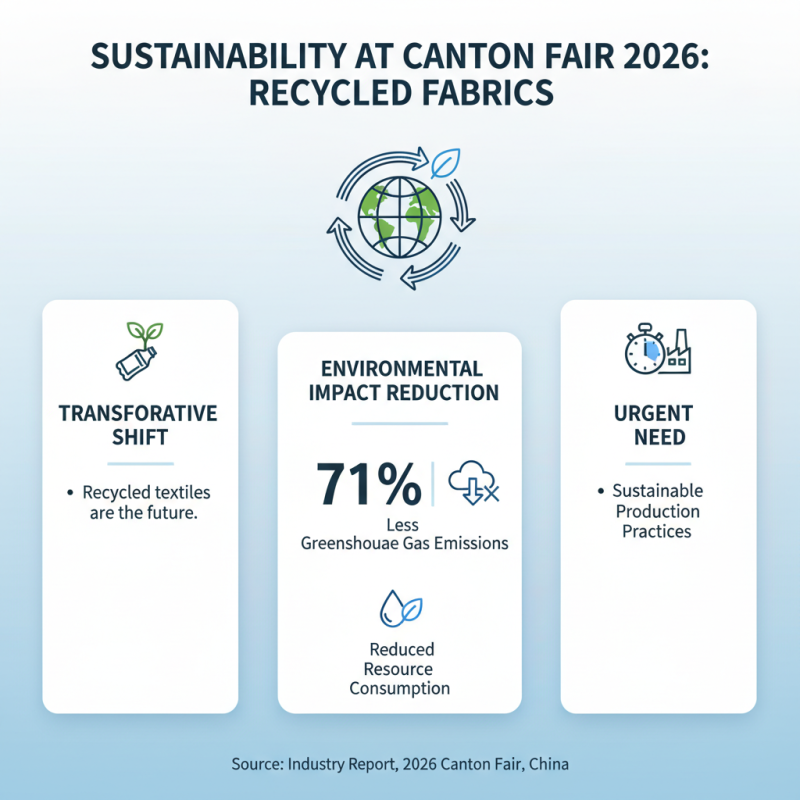
At the 2026 Canton Fair in China, sustainability takes center stage. Recycled fabrics are not just a trend; they represent a transformative shift in the textile industry. According to a recent industry report, recycled textiles can reduce greenhouse gas emissions by up to 71%. This statistic highlights the urgent need for sustainable practices in fabric production.
Many manufacturers at the fair showcase innovative methods of recycling. For example, plastic bottles are transformed into fibers used in clothing. This process often saves water and energy compared to traditional cotton farming. However, some still question the durability of these recycled products. Are they as strong or long-lasting as virgin materials?
Tips: Look for certifications. They can indicate genuine sustainable practices. Additionally, consider the lifecycle of the fabric before purchasing. It’s essential to reflect on the impact and effectiveness of these initiatives. Many products are labeled as "eco-friendly," but transparency remains key. As consumers, we must demand accountability.
Consumer Preferences Shaping Recycled Fabric Designs in 2026
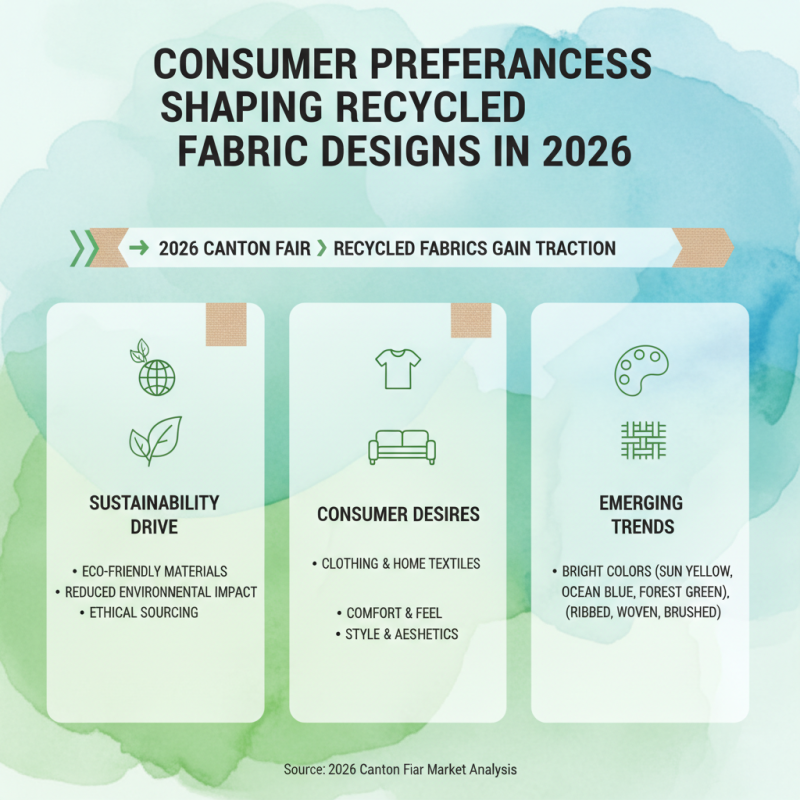
As the 2026 Canton Fair approaches, recycled fabrics are gaining traction. This shift is not just a trend; it reflects a deeper understanding of consumer preferences. More buyers are looking for sustainable materials in clothing and home textiles. They desire eco-friendly options that feel good and look stylish. Bright colors and unique textures are becoming popular.
However, the challenge lies in meeting these needs without compromising quality. Some recycled fabrics still fall short in durability. Consumers often report that they want materials that last and perform well over time. Swatches of recycled polyester blend with organic cotton show promise, yet concerns linger regarding their longevity. Designers are experimenting with innovative techniques to enhance strength, but not all efforts yield success.
Another interesting trend is the demand for transparent sourcing. Consumers are increasingly curious about the origins of their fabrics. They seek assurance that the materials are genuinely recycled. This shift is pressuring manufacturers to be more transparent in their practices. There’s a gap in providing clear information about the life cycle of these fabrics. As the fair showcases new designs, the industry must reflect on these preferences and the obstacles that lie ahead.
Future Projections for Recycled Fabrics Post-Canton Fair 2026
The 2026 Canton Fair is expected to spotlight recycled fabrics significantly. Industry reports predict a surge in eco-friendly materials. The Global Recycling Foundation estimates a 30% increase in recycled fabric production by 2026. This trend aligns with rising consumer demand for sustainable fashion.
As brands seek greener solutions, innovations in materials are emerging. For example, fabrics made from recycled plastics are gaining attention. This year, expect to see unique blends that combine recycled fibers with organic materials. These fabrics offer both durability and environmental benefits.
**Tips:** Look for certifications in recycled fabrics. They ensure transparency in sourcing. Be aware, however, that not all fabrics labeled "recycled" are the same. Some products may only contain minimal recycled content.
Moreover, recycling processes can vary widely. Quality can be impacted by the manufacturing methods used. Companies must consistently evaluate their practices to improve sustainability. Engaging in dialogue about these issues is crucial for true progress in the textile industry.