China Top Knit Fabric Types for Fashion and Industry Use?
Knit fabric plays a crucial role in the fashion and textile industry in China. Its versatility makes it a popular choice for various applications, from everyday wear to specialized industrial uses. The types of knit fabric produced in China showcase immense creativity and innovation. They reflect the country's commitment to quality and functionality.
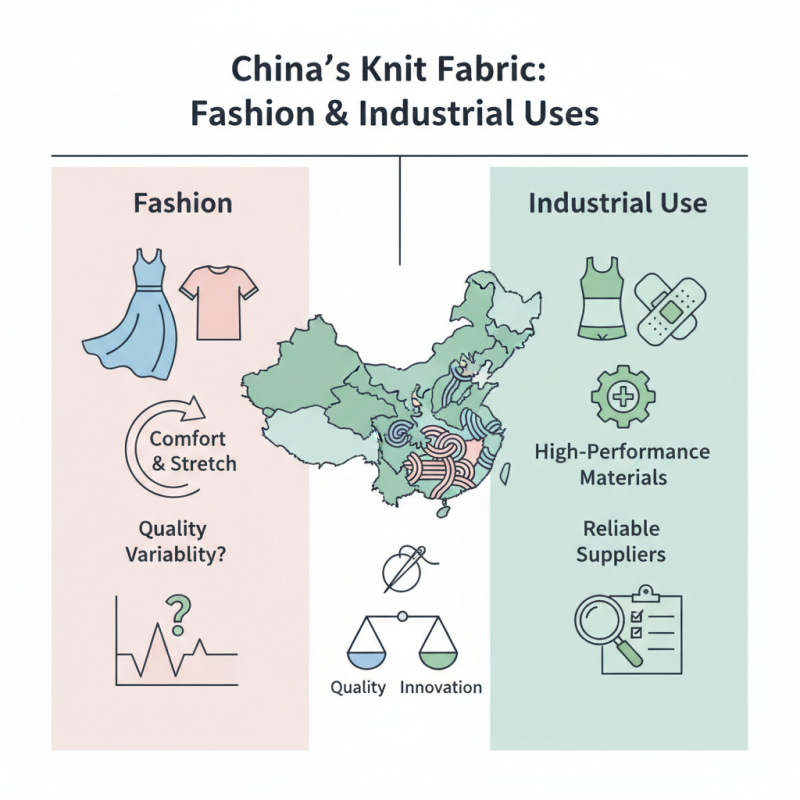
In the realm of fashion, knit fabric is celebrated for its comfort and stretchability. Designers leverage its properties to create modern and stylish garments. However, not all knit fabrics are created equal. Some may lack durability or proper elasticity, leading to challenges in wear and tear. This variability raises questions regarding quality assurance in production.
Industrially, knit fabric finds applications in fields such as sportswear and medical textiles. The need for high-performance materials remains a point of focus. Quality can sometimes vary, prompting industries to seek reliable suppliers. This pursuit reflects the importance of expertise and knowledge in selecting the right materials for specific functions.
Overview of Knit Fabrics in China
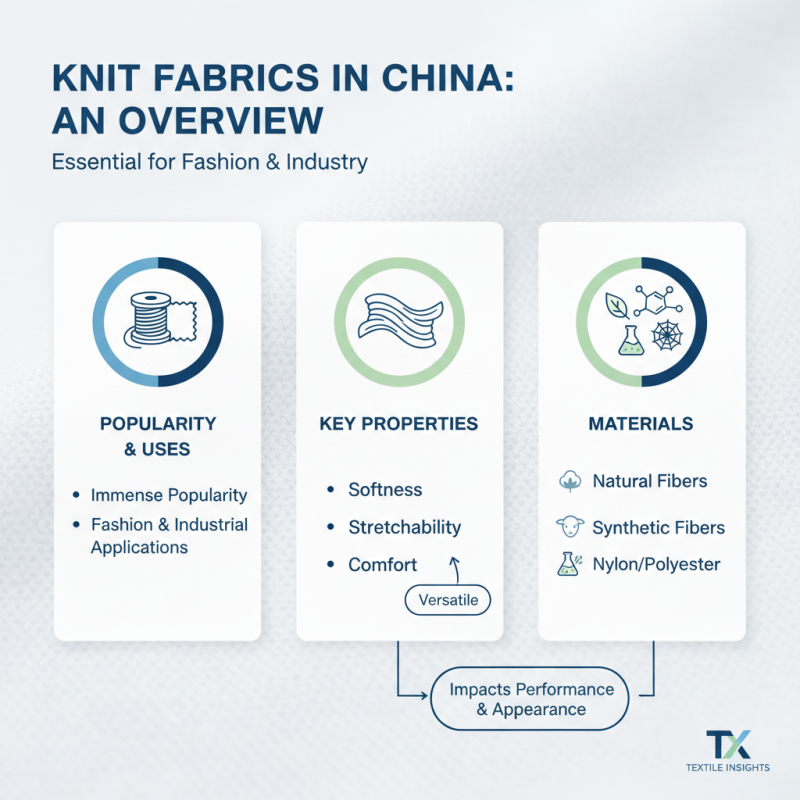
Knit fabrics have gained immense popularity in China. They are essential for both fashion and industrial applications. The unique properties of knit fabrics make them suitable for varied uses. Softness, stretchability, and comfort are key features. Many textiles are made from natural and synthetic fibers, impacting their performance and appearance.
China's knit fabric market has diverse options. Common types include jersey, rib, and interlock. Jersey is widely used for casual wear due to its lightweight and stretchy nature. Rib fabrics offer a textured surface, giving garments a sophisticated touch. Interlock provides a thicker structure, making it ideal for heavier clothing. However, the quality of these fabrics can vary significantly among manufacturers. This inconsistency could affect end products and consumer satisfaction.
Sustainability has become a concern in the textile industry. While many manufacturers strive to implement eco-friendly practices, the reality is not always fulfilled. Challenges remain in sourcing sustainable materials. The industry must continuously invest in advancements and responsible manufacturing methods. Awareness around these issues is growing, but there is much room for improvement.
Common Types of Knit Fabrics Used in Fashion
Knit fabrics are crucial in the fashion industry, offering versatility and comfort. Common types include jersey, rib, and interlock. According to a report by Mordor Intelligence, the global knit fabric market is projected to grow at a CAGR of 5.8% from 2021 to 2026. This growth underlines the increasing demand for sustainable and adaptable fabrics in clothing.
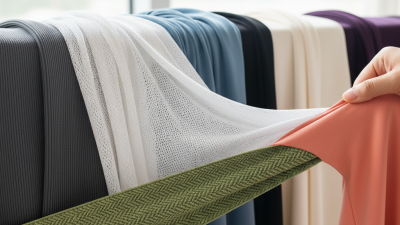
Jersey fabric, known for its softness and stretch, is widely used in casual wear. Ribbed knits, with their textured surface, provide elasticity and are popular for fitted garments. Interlock fabric offers a thicker structure, making it ideal for colder climates. Yet, choices like three-dimensional knit and circular knit also gain traction. However, not all knit types are suitable for every application. Fashion designers often face challenges in balancing appearance and functionality when selecting materials.
Sourcing high-quality knit fabrics can be difficult. Factors such as fabric weight, composition, and texture significantly impact the final product. For instance, a report by Textile World highlights that many manufacturers struggle with consistency in quality. This inconsistency can lead to excess waste and increased production costs, prompting a reevaluation of sourcing strategies in the industry.
Knit Fabric Characteristics and Applications
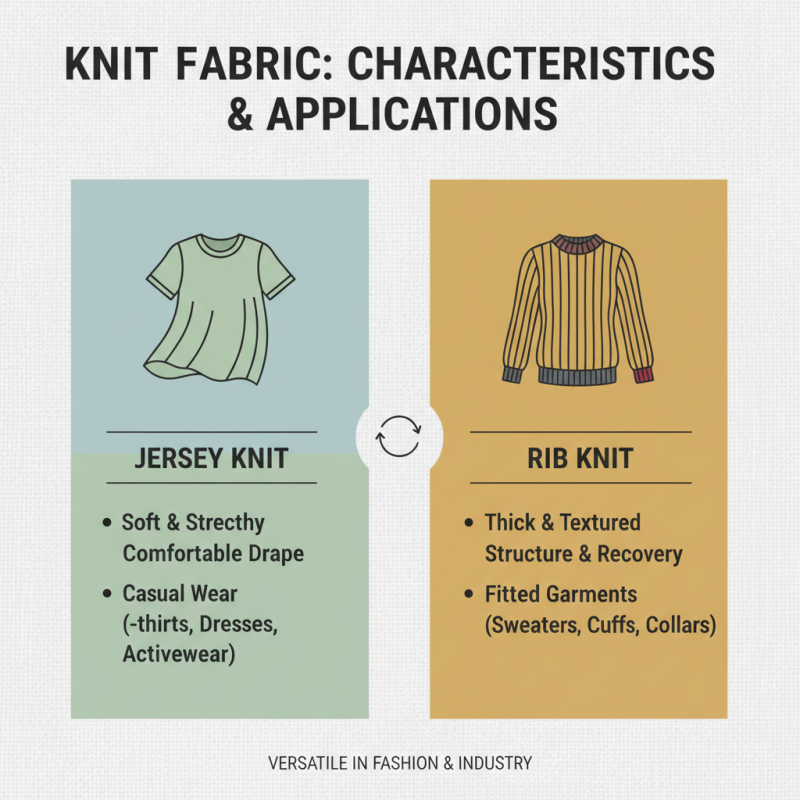
Knit fabrics are versatile and widely used in both fashion and industry. Their characteristics vary significantly. For example, jersey fabric is soft and stretchy. It offers comfort, making it ideal for casual wear. In contrast, rib knit is thicker and provides more structure. This makes it suitable for fitted garments.
When considering applications, it's essential to match fabric types to their intended use. Lightweight knits work well for summer collections. Heavier fabrics can be used in winter apparel. Often, fabric choice can make or break a design. It's crucial to test different fabrics to see how they perform.
Tips: Always check the fabric's stretch and recovery. This impacts its durability. When sourcing materials, prioritize quality over price. Investing in good fabric can enhance the final product's appeal. Remember that some fabrics can be tricky to work with. A little experimentation can pay off in the long run.
Sustainable Practices in Knit Fabric Production
Sustainability in knit fabric production
is increasingly important. The textile industry is majorly responsible for environmental degradation.
Reports indicate that textile production accounts for around 10% of global carbon emissions.
Thus, adopting sustainable practices in knit fabric manufacturing is crucial.
Eco-friendly materials, such as organic cotton or recycled polyester, are
becoming popular. These fabrics reduce water usage and lower waste. For instance, using recycled fibers
can cut down energy consumption by up to 50%. However, many manufacturers still struggle with
sourcing sustainable materials. There’s a gap between demand and availability that needs addressing.
Moreover, innovative production techniques are emerging.
Digital knitting technologies minimize waste by creating garments with precise patterns.
Still, the initial investment for these technologies can be high. As an industry, there’s a need for
greater investment in sustainable methods. The challenge remains: how to balance cost with eco-friendly
practices while meeting the demand for knit fabrics in fashion and industry?
Trends in China’s Knit Fabric Market for 2023
The knit fabric market in China is evolving rapidly in 2023. Sustainability is a major trend driving innovation. Many manufacturers are increasing the use of recycled materials. According to a recent industry report, sustainable knit fabrics are expected to account for 30% of the market by the end of the year. This shift reflects consumer demand for eco-friendly options.
Moreover, performance fabrics are gaining traction. Athleisure remains popular, pushing demand for moisture-wicking and breathable materials. The growth rate for such fabrics is projected at 8% annually. Notably, many factories are adopting smart manufacturing techniques to enhance quality. This improves efficiency but raises questions about job displacement in the workforce.
Emerging technologies, such as digital printing, are reshaping the design process. More designers are embracing customization. This trend fosters creativity but adds complexity to supply chains. Meeting diverse customer needs can be challenging. Adaptation and collaboration between manufacturers and designers will be crucial for success in this dynamic environment.