Why Choose Elastic Fabric for Your Next Project?
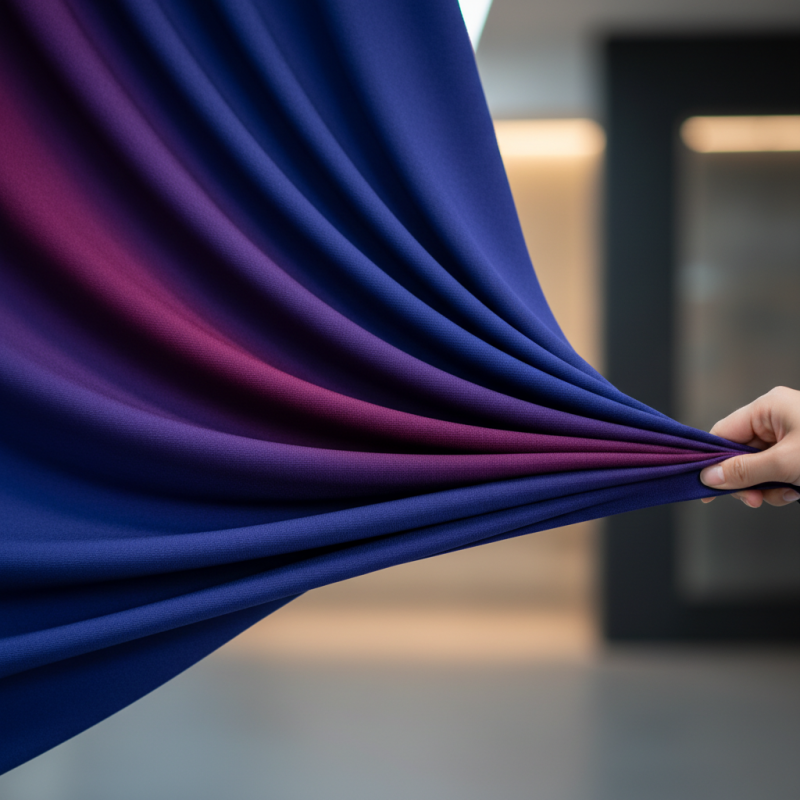
When considering materials for your next project, Elastic Fabric stands out as a versatile choice. This innovative material offers remarkable stretch and flexibility. It adapts well to various designs and movements, making it a popular option among designers.
Elastic Fabric is ideal for clothing, accessories, and home decor. This fabric provides comfort and ensures a perfect fit. Imagine a dress that moves gracefully with every step. Yet, it’s important to consider your specific needs. Not every project requires elasticity. There are instances where stability is crucial.
Choosing Elastic Fabric may seem straightforward. However, factors like durability and finish also matter. Sometimes, the vibrant colors may fade after washing. It’s a detail worth thinking about. Like any fabric, Elastic Fabric deserves careful evaluation based on your project’s goals.
Benefits of Elastic Fabric in Modern Design Projects
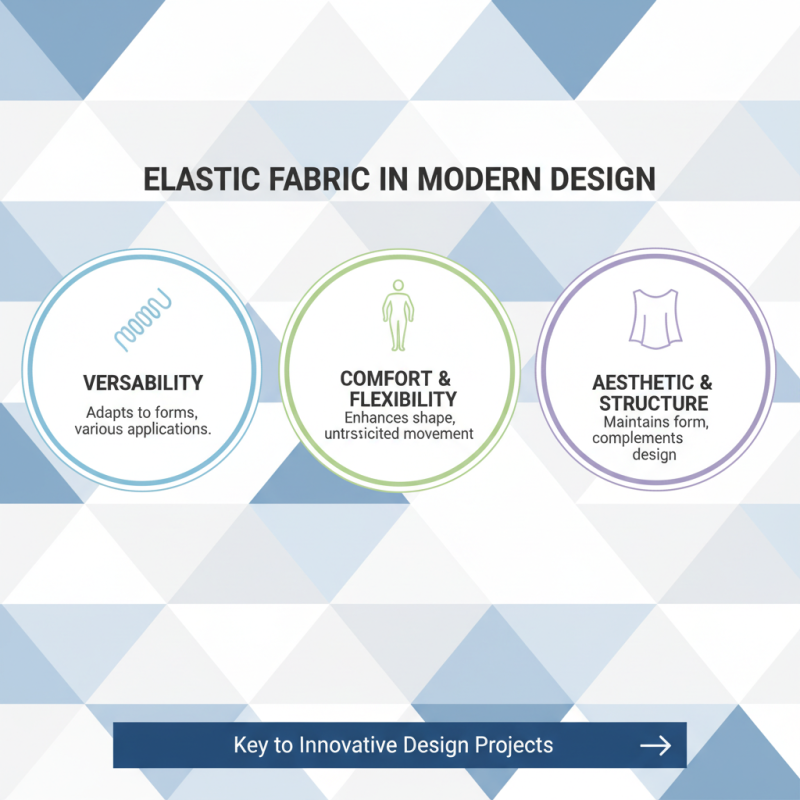
Elastic fabric is becoming increasingly popular in modern design projects. Its stretchability makes it versatile for various applications. This type of fabric adapts easily to forms, providing comfort and flexibility. Designers appreciate its ability to enhance shape and structure without compromising on aesthetics.
Incorporating elastic fabric can add a unique touch to any project. It allows for innovative designs that move with the wearer. This adaptability can be both a blessing and a challenge. While it can create stunning visual effects, mastering the sewing techniques for elastic materials can be tricky. Understanding how different fibers behave is crucial for achieving the desired outcome.
Utilizing elastic fabric in home decor or clothing introduces a playful element. It encourages creativity but demands thoughtful execution. It’s important to balance practicality with artistic expression. Mistakes can happen, such as miscalculating stretch, leading to imperfect results. However, these experiences can lead to growth and improvement in design skills.
Durability and Flexibility of Elastic Fabrics Explained
Elastic fabrics are increasingly popular in various sectors due to their remarkable durability and flexibility. Research shows that elastic materials can withstand wear and tear much better than traditional fabrics. For example, elastic fibers maintain their shape even after multiple washes. This property is essential for garments that require longevity.
In the sportswear industry, data indicates that elastic fabrics can stretch up to 500% without losing their integrity. This level of flexibility allows for a full range of motion. It is crucial for athletes who demand comfort and performance. Choosing such fabrics can enhance the overall quality of a project.
Tips: When selecting elastic fabric, consider the weight and stretch factor. A lighter fabric may provide better breathability, while heavier options offer more durability. Always test the stretch in your intended design to ensure it meets your needs. Over time, evaluating the fabric's performance can lead to significant improvements in project outcomes. Consider that some elastic materials might degrade quicker than expected, so keep that in mind for long-term use.
Versatility of Elastic Fabrics Across Various Applications
Elastic fabrics are increasingly favored in various industries due to their remarkable versatility. These materials are used in fashion, activewear, and industrial applications. According to a recent market analysis, the global demand for elastic fabrics is projected to grow at a rate of 5.3% annually. This surge is driven by the rise in active lifestyles and the need for comfortable clothing.
Fashion designers are utilizing elastic textiles for garments that require close-fitting qualities. From leggings to swimwear, elasticity ensures a snug yet flexible fit. The durability of these fabrics is noteworthy. A report from the International Textile Manufacturers Federation states that elastic materials can withstand up to 20% more wear than traditional fabrics. However, not all elastic fabrics are created equal. Some may lose their shape after extended use.
In industrial applications, the use of elastic materials enhances functionality. They are often employed in medical products, such as compression garments. These items can improve blood circulation and recovery. Yet, there are challenges. The production of elastic fabrics can lead to excessive waste, prompting the need for more sustainable practices. The quest for balance between functionality and environmental impact remains a critical conversation in the industry.
Sustainability Aspects of Using Elastic Fabric Materials
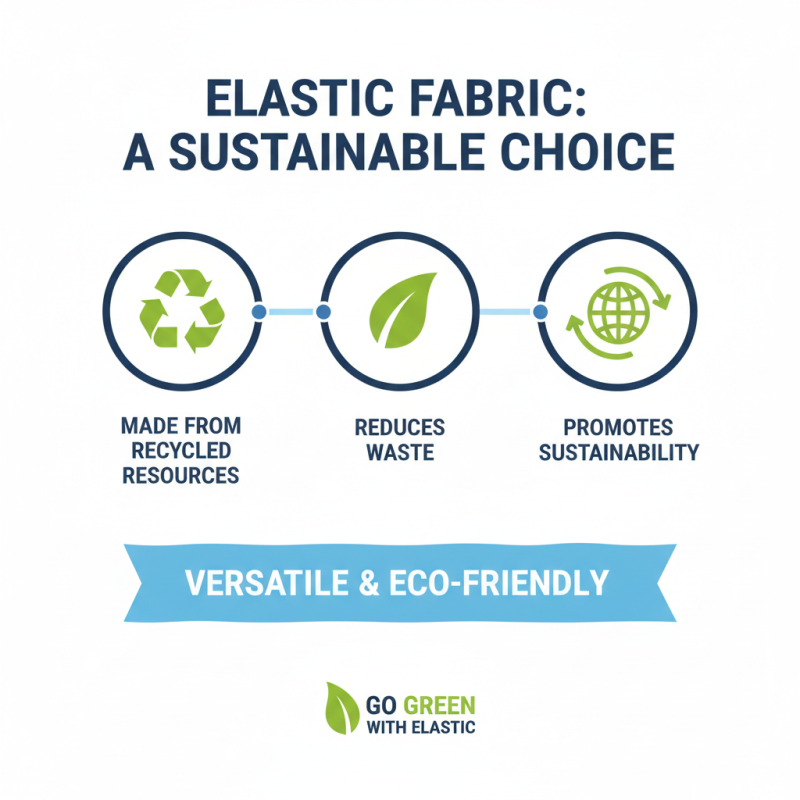
Elastic fabric is becoming popular in many projects for good reasons. One of the key aspects of elastic fabric is its environmental friendliness. Many elastic materials are made from recycled resources. This reduces waste and promotes sustainability. Such choices are crucial as we face global environmental challenges.
Using elastic fabric can have its downsides, though. Production processes can vary widely. In some cases, they may still contribute to pollution. It's vital to research the source of the fabric before buying. When you choose carefully, your project can have a lower environmental impact.
Incorporating elastic fabric can also enhance product lifespan. Its durability means less frequent replacements, reducing the overall material footprint. However, remember that not all elastic fabrics offer the same level of sustainability. The journey towards sustainability requires thoughtful choices and constant reflection.
Cost-Effectiveness of Elastic Fabric in Manufacturing and Production
Elastic fabric offers profound cost-effectiveness in manufacturing and production. According to a report from the Textile Research Journal, the use of elastic materials can reduce production costs by up to 30%. This is mainly due to reduced fabric wastage and fewer materials needed for full production runs. Industries see the advantage when they adopt such fabrics for various products, including apparel and home textiles.
Moreover, elastic fabric enhances product durability. Durability often translates to lower return rates. A report from the Global Textile Sustainability Index indicates that products made from elastic materials last significantly longer. As a result, manufacturers avoid the costs associated with replacements. However, it’s essential to remember that not all elastic fabrics are created equal. Some might lose their stretch after a few washes, leading to customer dissatisfaction.
Investing in high-quality elastic fabric can yield better long-term results. Yet, many manufacturers still choose cheaper options, driven by short-term savings. This approach often backfires. A recent survey noted that 40% of companies experienced increased returns due to fabric failure. So, while elastic fabric promises cost benefits, careful selection is crucial for sustained success. Balancing price and quality remains a challenge for producers today.
Cost-Effectiveness of Elastic Fabric in Manufacturing and Production