Why Choose Weft Knitted Fabric for Your Next Project?
Weft Knitted Fabric has revolutionized the textile industry. According to a recent market report, the global knitted fabric market is projected to reach $35 billion by 2025. This growth stems from rising demand in various sectors, including fashion and sportswear.
Choosing Weft Knitted Fabric can significantly enhance the feel and function of your projects. Its unique structure offers stretch and comfort, making it ideal for garments. The fabric's versatility appeals to designers aiming for both style and sustainability.
However, not every project may benefit from Weft Knitted Fabric. It's essential to assess your specific needs. A mismatch can lead to dissatisfaction. Companies must carefully consider factors like elasticity and durability. Embracing Weft Knitted Fabric might be a smart decision, but it requires thoughtful evaluation.
Benefits of Weft Knitted Fabric in Fashion and Design Projects
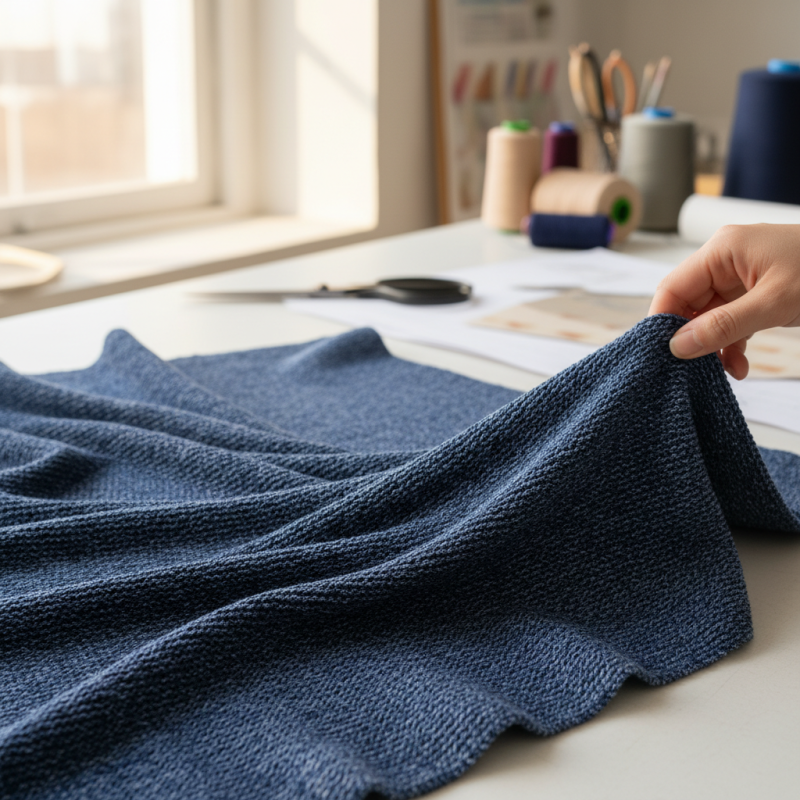
Weft knitted fabric offers a unique blend of comfort and versatility, making it ideal for various fashion and design projects. This fabric is created by interlocking loops of yarn, resulting in a soft, stretchy texture. Designers appreciate how weft knitted fabric hugs the body while allowing for freedom of movement. This is especially beneficial in activewear and loungewear, where flexibility is key.
Moreover, weft knitted fabric has excellent drape qualities. It can beautifully flow in garments or maintain structure, depending on the design intent. Choosing this fabric can elevate a simple design into something truly special. However, it requires careful handling to avoid running or snagging. Some may overlook its limitations, but understanding these nuances can lead to more thoughtful design choices. The texture can also be imperfect, revealing the handmade aspect that adds character to each piece. Embracing these imperfections often leads to unique expressions in fashion.
Benefits of Weft Knitted Fabric in Fashion and Design Projects
Types of Weft Knitted Fabrics and Their Unique Characteristics
When you dive into the world of weft knitted fabrics, you encounter various types, each with unique characteristics.
Jersey knit is one of the most popular choices.
It is soft and stretchy, making it comfortable for everyday wear.
It drapes well and is perfect for t-shirts, dresses, and leggings.
However, its tendency to curl can be a downside.
Rib knit is another fascinating option.
It offers a distinct texture with its raised pattern.
This type creates a snug fit, ideal for cuffs and collars.
The elasticity it provides is excellent for fitted garments.
Yet, it may not be as breathable as jersey, leading to overheating in warm weather.
Consider also interlock knit. This fabric features tightly woven layers, providing extra thickness and warmth.
It works brilliantly for winter wear and layering.
The downside? It can feel heavier, which may not suit all tastes.
Each type of weft knitted fabric comes with its benefits and challenges.
It’s essential to think carefully about your project’s needs before making a decision.
Comparative Analysis: Weft Knitted vs. Other Fabric Types
Weft knitted fabric stands out when compared to other types of textiles. It's often noted for its softness and elasticity. Unlike woven fabrics, weft knits are created by interlocking yarns horizontally. This structure allows for greater stretch and movement, making it an ideal choice for comfortable clothing.
When contrasting weft knitted fabric with woven alternatives, think about durability. Woven fabrics tend to be sturdier, which can be a drawback for certain applications. However, they lack the same level of flexibility. For instance, a weft knitted garment may hug the body better, allowing for a better fit. Yet, this can lead to potential snags and pulls, which may require careful handling.
Many projects benefit from weft knits' breathability and moisture-wicking properties. These features make them perfect for activewear. On the other hand, some may find weft knits challenging to sew. The stretch can make precise cutting difficult. Mistakes may happen, leading to fabric waste. Balancing these factors can be crucial for achieving the desired result in your next project.
Best Practices for Selecting and Using Weft Knitted Fabric
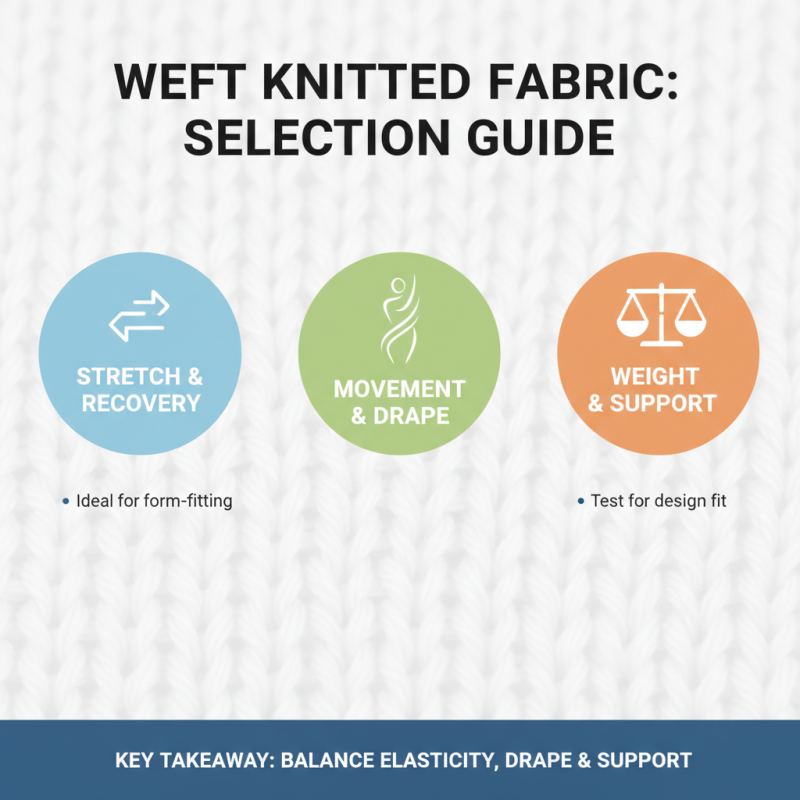
When selecting weft knitted fabric for your project, consider its stretch and recovery. This type of fabric is known for its excellent elasticity, making it ideal for form-fitting garments. The way the loops are constructed allows it to move with the body. However, be cautious about choosing the right weight. A lighter fabric may drape beautifully, but it could also lack support. Test different weights to see how they fit your design.
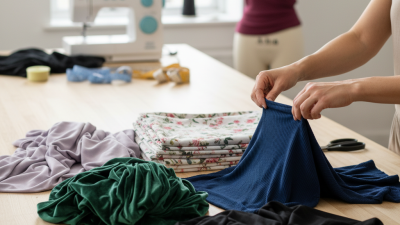
Using weft knitted fabric requires attention to detail. Always pre-wash your fabric to prevent shrinkage after sewing. This step is often overlooked but can save you from future headaches. When cutting, use sharp scissors to avoid snagging, which can ruin the fabric's smooth finish. It’s easy to become distracted during this process, but careful preparation helps ensure quality results.
Don't forget about the stitching technique. A serger is often recommended, but a regular sewing machine can work too. Just be sure to use a stretch stitch or a zigzag stitch for flexibility. Experiment with different techniques and be prepared for some trial and error. Learning from mistakes is part of the process, and it can lead to better craftsmanship.
Sustainability Considerations in Weft Knitted Fabric Production
Weft knitted fabric offers notable advantages in sustainability. Its production typically uses less energy compared to woven alternatives. Industry reports show that weft knitting can reduce water consumption by 30%. This is critical in addressing global water scarcity. The manufacturing process often results in minimal waste, as the fabric is produced in continuous lengths.
The fibers used in weft knitting are often recycled materials. This contribution to circular fashion is crucial as individuals push for eco-friendly choices. According to a report by the Textile Exchange, up to 35% of new fibers could be sourced from recycled materials by 2030. However, challenges remain. The recycled fibers may not always match virgin materials in quality. This inconsistency can lead to concerns regarding product durability and longevity.
Moreover, weft knitted fabrics are often easier to dye, reducing water and chemical use. However, achieving the desired color intensity might require trial and error. This could lead to increased production time and resource use. The balance between sustainability and performance remains a topic for reflection. The industry must strive for improvements while meeting consumer demands for quality and aesthetics.
Why Choose Weft Knitted Fabric for Your Next Project? - Sustainability Considerations in Weft Knitted Fabric Production
| Attribute |
Description |
Sustainability Impact |
| Material Source |
Natural fibers or recycled materials |
Reduces reliance on virgin materials |
| Production Process |
Less energy-intensive compared to woven fabrics |
Lower carbon footprint |
| Waste Generation |
Minimal waste during production |
Promotes circular economy practices |
| Durability |
Long-lasting and resistant to wear |
Reduces need for frequent replacements |
| Biodegradability |
Made from biodegradable materials |
Less environmental impact at end of life |