Choosing the right stretch fabric can transform your sewing projects. Expert Jessica Miller, a renowned textile specialist, emphasizes, "The right fabric makes all the difference." With so many options available, it’s essential to understand the unique qualities of each type.
Stretch fabric is not just about elasticity; it’s also about comfort and durability. Consider the project you have in mind. Different fabrics can lead to different outcomes. Some may stretch but lack recovery, which could affect the fit. Others may provide excellent structure but feel restrictive.
Experimentation is key. Don't shy away from sampling various stretch fabrics. Each fabric behaves differently under different conditions. You might find that what looks good on the bolt doesn't translate well to a finished garment. Embrace the learning process, and remember that sometimes, your choice may not be perfect. Recognizing this will help you refine your future selections.
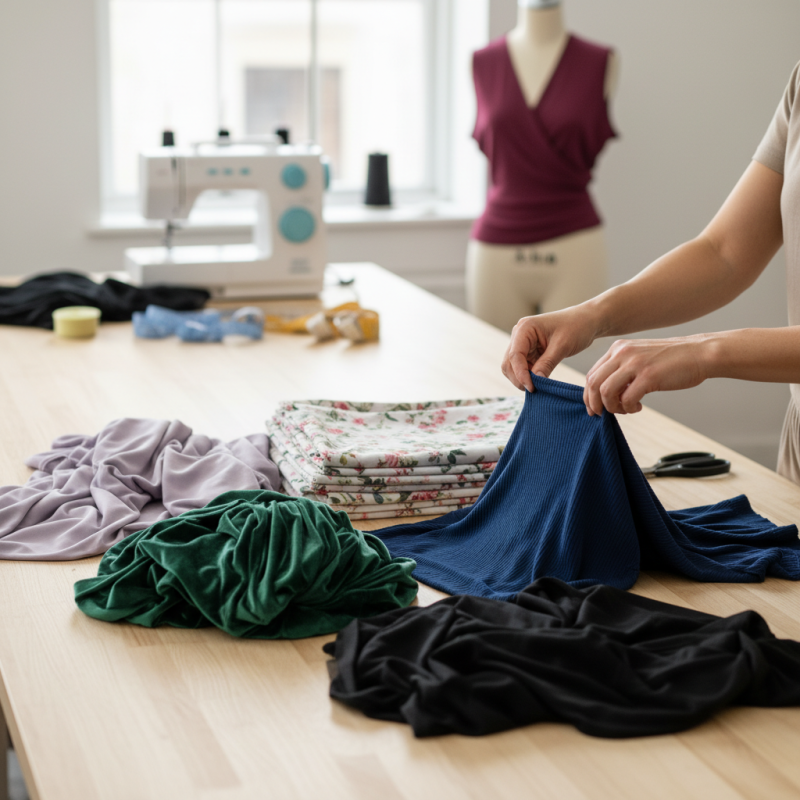
When choosing the right stretch fabric, it’s essential to understand the various types available. Each type has its distinct characteristics. Spandex blends, for example, are common in activewear. They offer excellent elasticity and recovery. Jersey knits are softer and often breathable. They work well for casual outfits.
Consider the weight of the fabric, too. Lightweight fabrics drape beautifully but may not provide enough structure. Heavier options can hold their shape but may feel restrictive. Sometimes, you might find a fabric that looks fantastic but doesn’t perform as expected. This can lead to frustration once you start sewing.
Test samples before committing. A small swatch can reveal a lot about how fabric behaves. Stretch can vary significantly, creating challenges during sewing. Some fabrics may warp or stretch out of shape. Keep this in mind as you plan your projects. Adjusting your technique might be necessary. Each fabric also comes with its quirks and challenges, which can be a learning experience.
When choosing stretch fabric, composition matters. The material influences both stretch recovery and breathability. Common choices include spandex, elastane, and cotton blends. The right blend can enhance comfort. A fabric that stretches but does not return to its original shape can be frustrating.
Breathability is also key. Fabrics that breathe well help regulate temperature. Look for fabrics that allow airflow. This is especially important for activewear. Fabrics that trap heat can be uncomfortable. Choosing a breathable stretch fabric can improve wearability.
Pay attention to the fabric weight, too. Heavier fabric can feel restrictive. Lightweight options usually offer better flexibility. It's easy to get lost in patterns and colors. But remember, how a fabric performs matters most. Testing the fabric's stretch and recovery at home can help. This hands-on check is the best way to avoid disappointments later on.
| Fabric Type | Composition | Stretch Recovery (%) | Breathability (g/m²) | Best Use |
|---|---|---|---|---|
| Spandex Blend | 95% Cotton, 5% Spandex | 80% | 100 | T-Shirts, Gym Wear |
| Polyester-Spandex | 90% Polyester, 10% Spandex | 85% | 150 | Sportswear, Activewear |
| Nylon Blend | 92% Nylon, 8% Spandex | 75% | 200 | Swimsuits, Leggings |
| Lycra Jersey | 92% Polyester, 8% Lycra | 90% | 120 | Dress Fabrics, Casual Wear |
| Compression Fabric | 76% Nylon, 24% Spandex | 95% | 85 | Shapewear, Athletic Gear |
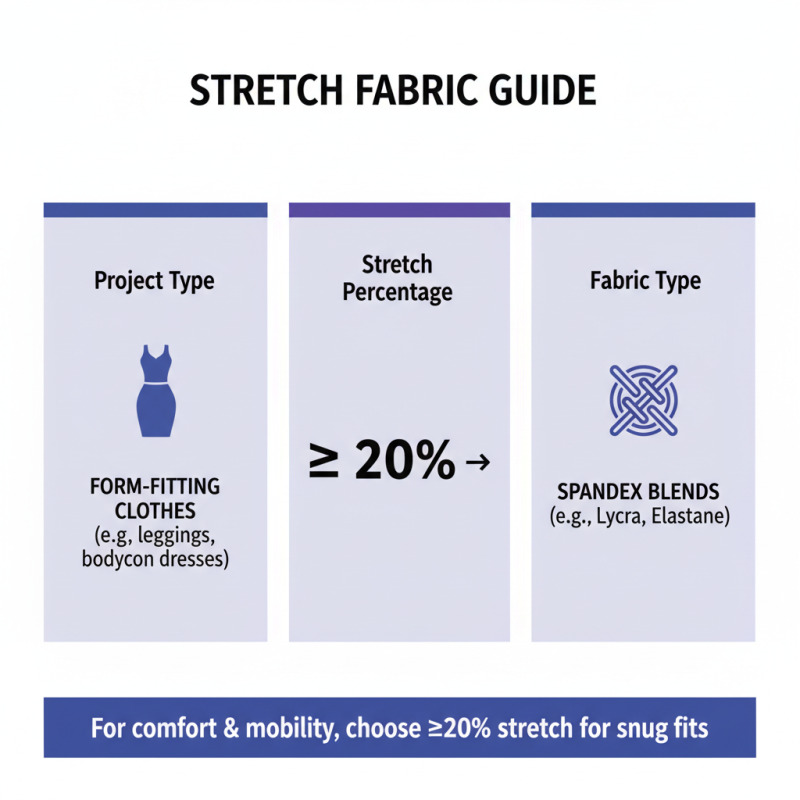
When choosing the right stretch fabric for your sewing projects, analyzing stretch percentage is crucial. Different projects require varying levels of elasticity. For form-fitting clothes, look for fabrics with at least 20% stretch. This percentage allows for comfortable wear and ease of movement. Fabrics like spandex blend well into these categories. A snug fit enhances a silhouette but may limit your mobility if too tight.
For casual garments and loungewear, a lower stretch percentage works well. Fabrics with 10-15% stretch can provide enough room while maintaining shape. For instance, a relaxed yoga pant might benefit from this limit. Choosing fabric with too little stretch may lead to discomfort. Conversely, going overboard can result in garments that don't hold their shape.
Consider also how you’ll use the fabric. Will it go through the wash often? Then, durability coupled with the right stretch percentage is essential. Not all stretch fabrics recover the same way after washing. It’s ideal to test small samples before committing to a larger project. Reflect on past experiences and learn from them. The right choice can make a distinct difference in the final look and function of your creation.
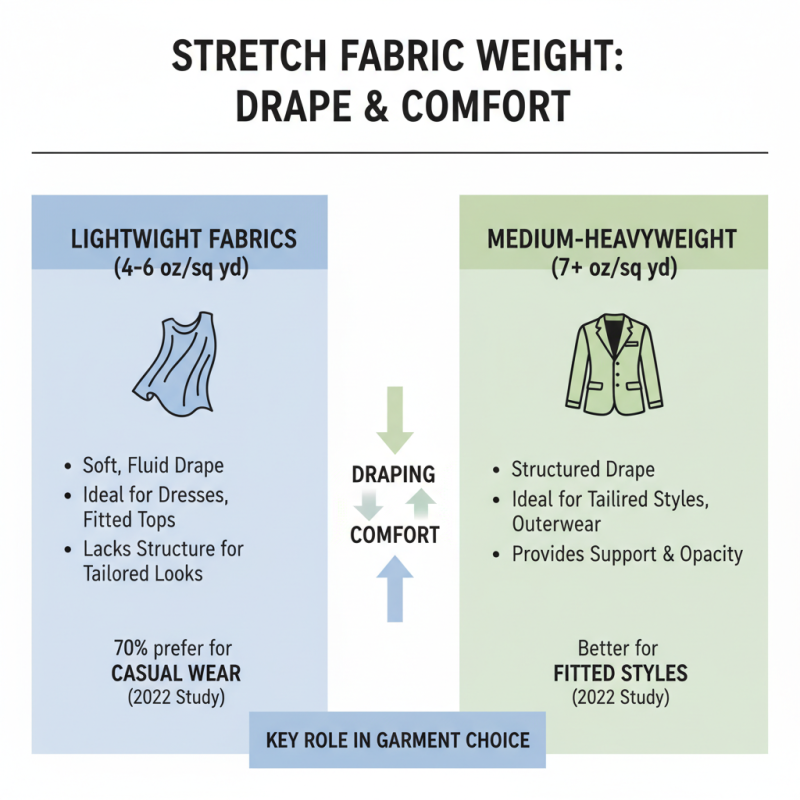
When selecting stretch fabric, fabric weight plays a crucial role in both draping and comfort. Lightweight fabrics, often weighing between 4-6 ounces per square yard, fall softly against the body. They create fluid silhouettes, ideal for garments like dresses or fitted tops. However, these fabrics may lack structure, leading to a challenge in achieving tailored looks. According to a 2022 textile study, 70% of sewists prefer lightweight options for casual wear but find them unsuitable for more fitted styles.
Medium-weight fabrics, generally ranging from 6-8 ounces, provide a balance. They drape well while offering better structure than lighter counterparts. This makes them perfect for t-shirts and leggings. Many sewists, around 65% according to a recent market report, favor these for their versatility. Yet, a notable concern arises; a heavier weight can lead to overheating in warm conditions. Careful consideration is required to ensure comfort without sacrificing style.
Heavier fabrics, above 8 ounces, offer significant durability and structure. They are suited for outerwear or structured pieces. However, their stiffness can limit movement. Many beginners find these fabrics intimidating. Over time, they can pose challenges in draping. Learning to balance weight and stretch is key. Understanding fabric weight not only informs aesthetic choices but also directly impacts wearability and comfort.
Choosing the right stretch fabric can significantly impact your sewing projects, especially when considering use cases. Activewear requires durability and flexibility. Look for fabrics like spandex or polyester blends that allow for a full range of movement. These materials can withstand rigorous activities, making them ideal for workout clothes. Think about breathability as well. A fabric that traps heat can lead to discomfort during high-intensity workouts.
On the other hand, everyday garments often prioritize comfort and style. Cotton-spandex blends are soft and versatile, perfect for casual wear. They stretch enough for comfort but maintain their shape beautifully. However, not all stretch fabrics are created equal. Sometimes, you might find they don't hold up well after multiple washes. It's essential to consider the longevity of your fabric choice. Reflect on the types of garments you wear often and which fabrics make you feel good. This pursuit of comfort and durability can sometimes lead to trial and error, but that’s part of the learning curve in sewing.