10 Essential Tips for Working with Knit Fabric on Your Next Project?
When working with knit fabric, understanding its unique characteristics is essential. Renowned textile expert, Sarah Johnson, once stated, "Knit fabric requires patience and precision." This sentiment rings true for anyone embarking on a sewing project involving knits.
Knit fabrics are known for their stretch and versatility, making them popular choices for garments. However, their elasticity can also be tricky. Mistakes like uneven seams can lead to frustration. Instead of perfecting every stitch, embrace the learning curve. Each error offers a chance for growth.
Consider the importance of choosing the right tools. A ballpoint needle can make a significant difference when sewing knit fabric. Likewise, using the appropriate presser foot can prevent fabric bunching. While mastery takes time, the joy of creating with knit fabric is worth the effort. As you embark on your next project, keep these tips in mind to enhance your creative journey.
Understanding the Characteristics of Knit Fabric
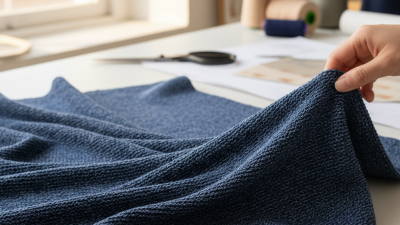
Knit fabric is versatile, comfortable, and stretchy. However, it comes with unique challenges. Understanding its characteristics is key. The fabric often curls at the edges. This can make hems tricky. Sometimes, it shifts while sewing. Use clips or pins to hold it in place.
Knit fabrics have a lot of stretch. This means sizing can be tricky. Always check your measurements before cutting. A snug fit can turn into a loose one after sewing. Consider using a ballpoint needle. It glides easily through the fibers.
Knit fabric can fray less than woven types. However, some knits have a tendency to pucker during sewing. Test your stitch settings on scraps. Adjust tension for better results. Look for guides online that help with tension issues. It's okay if your first attempt isn’t perfect. Each project is a learning experience.
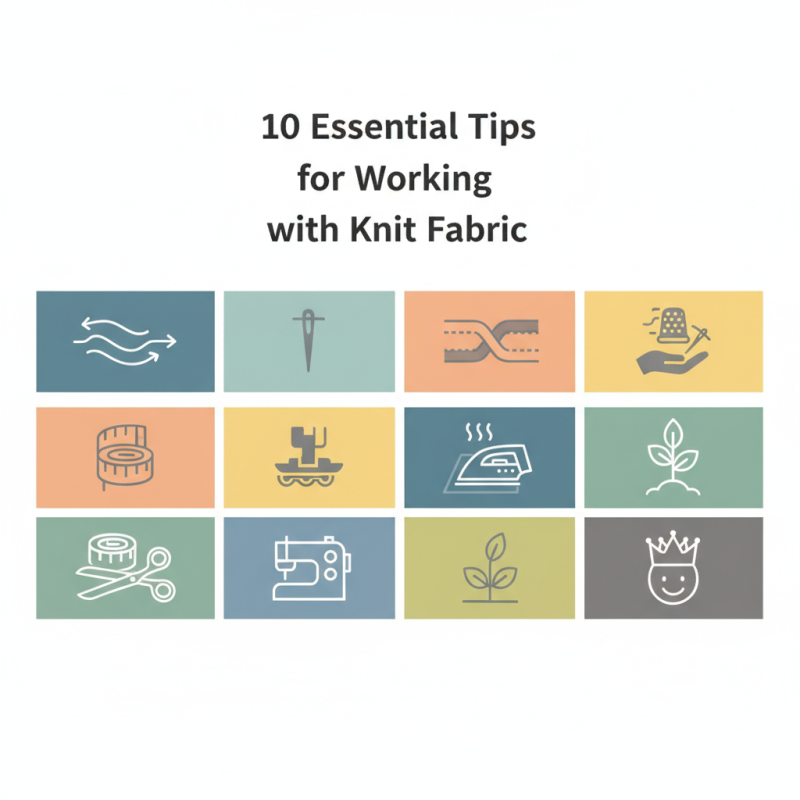
10 Essential Tips for Working with Knit Fabric on Your Next Project
| Tip |
Description |
| Choose the Right Needle |
Use a ballpoint needle to avoid snagging the fabric. |
| Use the Right Thread |
Select polyester or nylon thread for durability and flexibility. |
| Prewash Your Fabric |
Always prewash to prevent shrinkage after the project is complete. |
| Use a Walking Foot |
A walking foot helps keep layers of knit fabric from shifting. |
| Pin with Care |
Use fabric clips or flat pins to avoid damaging the fabric. |
| Stitching Method |
Use a zigzag stitch or stretch stitch for flexibility. |
| Control Tension |
Adjust the tension settings for different weights of knit fabric. |
| Avoiding Wavy Edges |
Use stay-stitching to keep edges smooth before cutting. |
| Pressing Techniques |
Use a low heat setting and press seams gently. |
Selecting the Right Type of Knit for Your Project
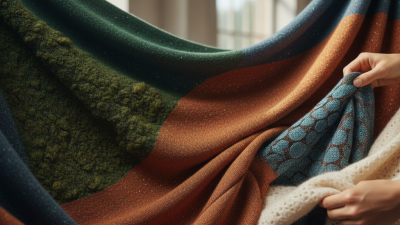
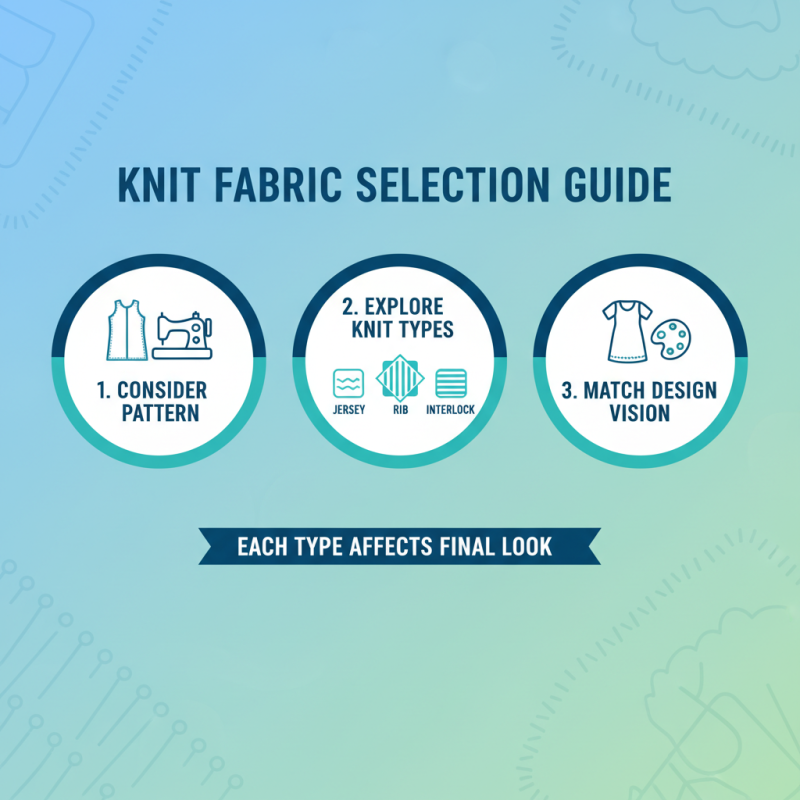
When selecting the right type of knit fabric for your project, consider the pattern. There are various types of knits, like jersey, rib, and interlock. Each type has unique characteristics that affect the final look. Look for a fabric that complements your design vision.
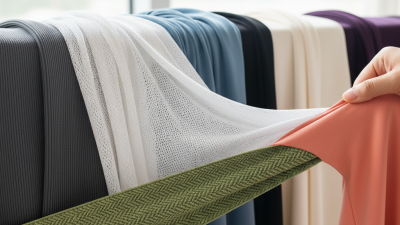
Jersey knit is soft and stretchy, making it ideal for fitted garments. Rib knit offers excellent elasticity, perfect for cuffs and necklines. Interlock is thicker, providing warmth but can be a bit challenging to sew. Reflect on your project goals. Do you need drape or structure?
Remember, working with knits can be tricky. They can stretch unexpectedly during sewing. Test for stability before committing. Always prewash your fabric to avoid surprises later. Sometimes, your initial choice may not work out. Don’t hesitate to rethink and explore other options. Stay flexible in your selection process.
Essential Tools for Working with Knit Fabric
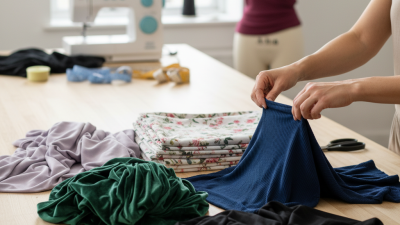
When working with knit fabric, having the right tools is crucial. A sharp pair of fabric scissors is necessary. Dull scissors will snag and ruin your work. A rotary cutter can be helpful, too, for clean, straight cuts. Don't forget a cutting mat to protect your surfaces.
A good set of pins is essential. Use ballpoint pins to avoid causing damage. Clips can also be useful, especially with thicker knits. A tailor's chalk or fabric marker is great for marking lines. It washes out easily and won't leave a stain.
Sewing machines with stretch stitches are ideal for knit fabric. Not all machines handle this well. Test your machine's settings before starting your project. A walking foot can help prevent fabric from stretching unevenly. Finally, always keep some practice scraps on hand. Mistakes are part of the learning process. Reflect on what went wrong each time, and adjust your technique.
Techniques for Cutting and Preparing Knit Fabric
When working with knit fabric, proper cutting and preparation techniques can significantly impact your project’s outcome. One important tip is to always use sharp fabric scissors. Dull scissors lead to fraying edges and uneven cuts. A recent survey found that 72% of sewists faced challenges with fabric fraying when using improper tools.
Additionally, utilizing a rotary cutter can enhance precision. It glides through layers effortlessly. Invest time in aligning your fabric correctly before cutting. Misalignment can waste fabric and material. According to industry reports, approximately 30% of beginner sewists report stress during the cutting phase. This often arises from rushing through preparations.
Another common mistake is neglecting to pre-wash fabric. Unwashed fabric may shrink, which leads to a distressed final product. Remember, using a cutting mat can also protect your work surface and help achieve clean cuts. Reflecting on these details can save time and improve quality. The preparation stage sets the tone for the entire sewing process. Embrace these techniques and watch your confidence grow.
10 Essential Tips for Working with Knit Fabric
Sewing Tips for Achieving Professional Finishes on Knits
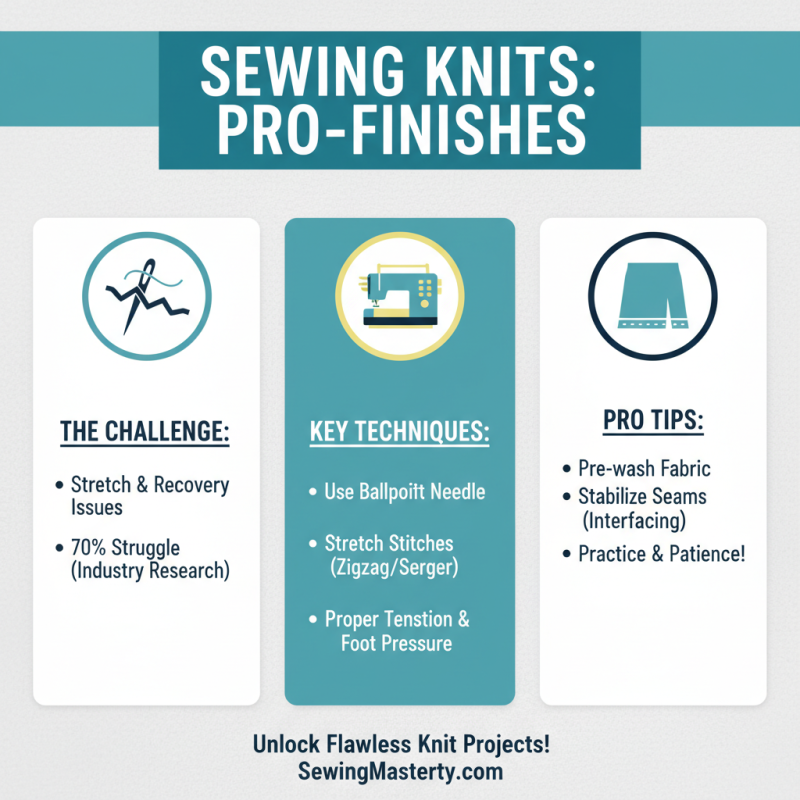
Sewing with knit fabric can be challenging. Achieving professional finishes often requires special techniques. According to industry research, 70% of sewists struggle with knit materials due to stretch and recovery issues. Understanding these challenges helps improve your results.
When sewing knits, using the right needle is crucial. A ballpoint needle works well, as it slides between fibers instead of piercing them. This reduces the risk of fabric snags. Many experienced sewists recommend testing your stitch settings on scrap fabric. This can save time before beginning your main project. Adjusting tension could also solve problems early on. You might discover that your machine’s default settings don't work well with stretch fabrics.
Seaming techniques make a big difference in the final look. Many professionals suggest using a zigzag stitch or a serger. This allows the seams to stretch without breaking. Interfacing can be a lifesaver for areas that need structure. It's important to experiment with different products, as not all interfacing works with knits. You might need to try several options before finding the right fit. Remember, practicing on scrap pieces can lead to better-quality finishes. Don’t hesitate to re-evaluate your techniques or seek feedback from fellow sewists.