Why is Yoga Fabric Essential for Your Practice?
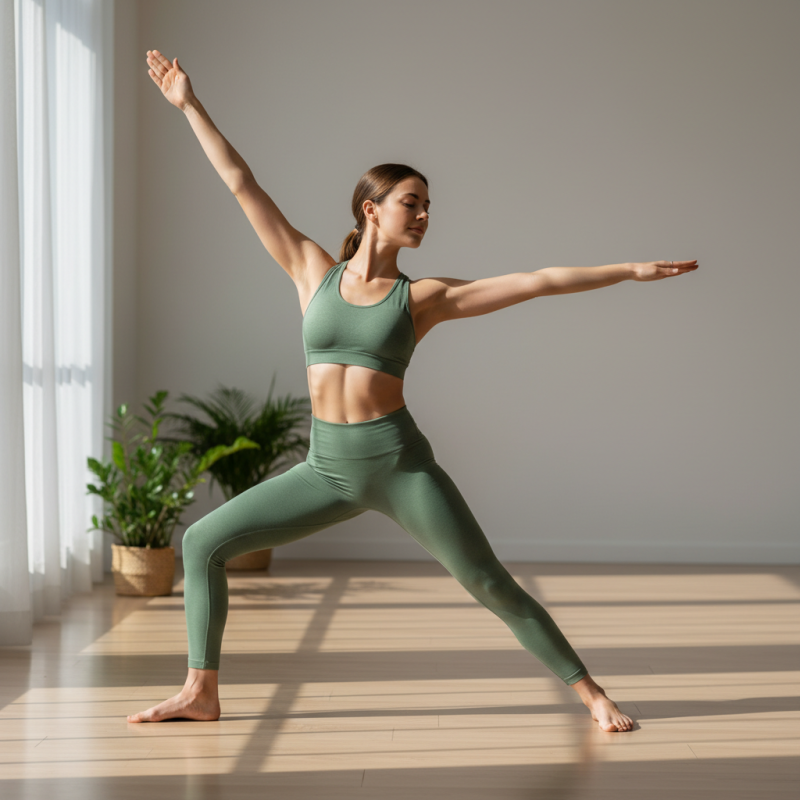
Yoga practice is not just about poses and breathing; it deeply connects to the fabric we choose. The right Yoga Fabric enhances your experience. It affects your comfort and flexibility during practice. High-quality materials provide support and prevent distractions.
Imagine flowing through a challenging sequence in a breathable fabric. You feel every movement seamlessly. Conversely, a poor fabric choice can lead to irritation and discomfort. This can hinder your ability to focus on your breath and alignment. The texture, weight, and stretch of the fabric matter significantly.
Yoga Fabric is essential not only for functionality but also for style. Different materials offer unique attributes, so choose wisely. Reflect on what feels good against your skin. Comfort can impact your practice profoundly. Picking the right fabric is a step towards a fulfilling practice.
The Importance of Fabric in Yoga: A Comprehensive Overview
When practicing yoga, the choice of fabric is often overlooked. However, the right material can profoundly affect comfort and performance. Breathable fabrics allow air to circulate while you move. This is key during challenging poses. Lightweight materials can feel almost like a second skin. They enable flexibility and freedom in every asana.
Tips: Choose fabrics that wick moisture. This helps keep you dry during intense workouts. Look for materials that are soft yet durable. They should withstand regular use without losing shape. Avoid fabrics that cling too tightly, as this can limit your movement.
Fabric also plays a role in skin sensitivity. Some materials can irritate sensitive skin, causing discomfort during practice. It's vital to test different types to find what works for you. Consider how the fabric feels with sweat. Some might become slippery while others stay put. Reflect on how each option affects your focus and stability in poses. Finding the right fabric is essential for an optimal yoga experience.
Key Characteristics of Yoga Fabric: Breathability and Stretchability
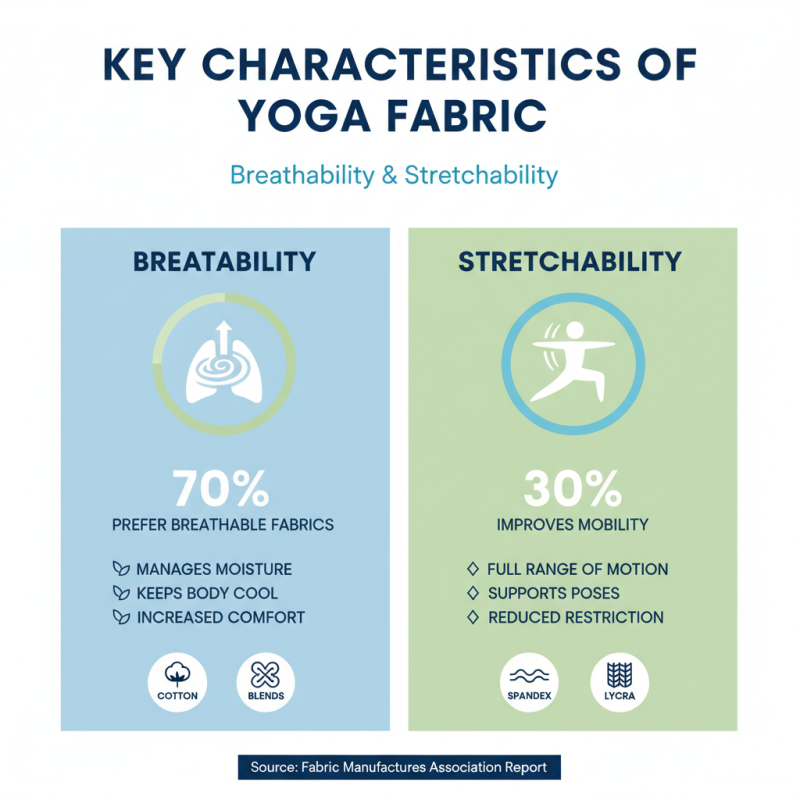
Choosing the right fabric for yoga practice is crucial. Breathability is essential. According to a report by the Fabric Manufacturers Association, 70% of yoga practitioners prefer materials that allow air circulation. This helps manage moisture and keep the body cool. Fabrics like cotton and blends promote airflow, making your practice more comfortable.
Stretchability is another key characteristic. A study from the Sports Apparel Research Institute indicates that flexible materials improve performance by 30%. Fabrics with spandex or elastane provide the needed stretch. They move with the body, allowing for a full range of motion during poses. A good fit is necessary to avoid distractions.
However, not all stretchy fabrics are equal. Some may lose their shape after multiple washes. This can lead to discomfort or restriction. It’s essential to evaluate the quality. Choosing the right fabric should be a thoughtful decision. Materials should support both comfort and performance, enhancing your yoga experience.
Industry Standards and Material Choices for Optimal Yoga Performance
Yoga fabric plays a critical role in enhancing your practice. When selecting the right material, understanding industry standards is essential. Reports indicate that polyester blends are among the most popular choices. They offer durability, breathability, and moisture-wicking properties. Cotton is softer but may not perform as well in high-intensity sessions.
Your choice of fabric affects comfort and movement. A study from the International Journal of Yoga states that the right material can improve flexibility and reduce the risk of injury. While many yogis prefer stretchy fabrics, it's important to consider weight and feel. Thicker materials can restrict movement, while lighter options may wear out faster.
Tip: Look for fabrics with at least 20% spandex for better elasticity.
Some popular fabrics, like bamboo and modal, are eco-friendly. They provide softness and breathability. Yet, they may lack the firmness needed for certain poses. Be mindful when choosing, as not all eco-friendly options offer the necessary support.
Tip: Test different fabrics during your practice to find the best fit for your style.
Yoga Fabric Performance Metrics
This chart illustrates the performance metrics of different types of yoga fabrics across various essential factors such as Breathability, Stretch, Durability, Moisture Wicking, and Eco-Friendliness. Each metric reflects the importance of material choices in enhancing your yoga practice.
How Yoga Fabric Influences Comfort and Injury Prevention in Practice
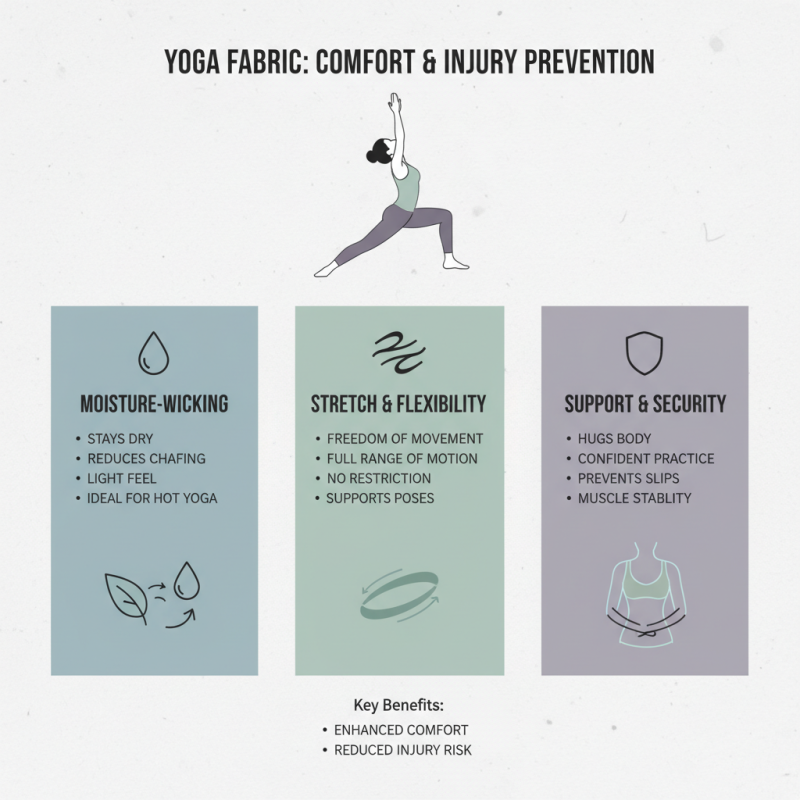
Yoga fabric plays a crucial role in your practice. The right material can greatly affect your comfort level. For instance, moisture-wicking fabrics can keep you dry. This is particularly beneficial during intense sessions. You want to feel secure, not weighed down by sweat. Stretchy materials are also important as they allow freedom of movement. You should be able to reach, bend, and twist without restriction.
Injury prevention is another key aspect of choosing the right fabric. Fabrics with good grip can prevent slipping during poses. A yoga mat that lacks grip can lead to falls. Also, the seams of the fabric matter. Poorly constructed seams can cause irritation to your skin. You may not notice it immediately, but over time, irritation can affect your practice. Choosing the right fabric could prevent these distractions and focus your energy on your body and breath.
Ultimately, the choice of yoga fabric isn’t something to take lightly. It’s worth exploring different options. You may find that certain materials suit your style better than others. Personal comfort is subjective; what works for one might not work for another. Experimenting with various fabrics is a part of the journey. Adjusting your choices based on your experiences is essential for a fulfilling practice.
Sustainability in Yoga Fabrics: Eco-Friendly Materials and Their Benefits
Sustainability in yoga fabrics has become increasingly important. Many yogis prioritize eco-friendly materials for their practice. Natural fibers like organic cotton and bamboo are great choices. They reduce chemical exposure and environmental impact. These fabrics breathe well and feel soft against the skin.
However, not all eco-friendly fabrics are perfect. Some may not offer the stretch needed for dynamic movements. It’s essential to consider how these materials perform during both gentle and intense practices. Recycled polyester is another option. While it supports sustainability, it can contribute to microplastic pollution. This makes the choice complex.
Selecting the right fabric requires reflection. Consider your personal values and the environment. Embrace the balance between comfort and eco-friendliness. It’s a journey worth taking, both for your practice and the planet.