Top 10 Benefits of Using Elastic Fabric for Your Fashion Needs?
Elastic Fabric has gained immense popularity in the fashion industry due to its versatility and comfort. The unique properties of this material make it ideal for various applications, from casual wear to high-performance outfits. Many designers appreciate how elastic fabric molds to the body, providing an improved fit that enhances wearer comfort.
In recent years, the demand for sustainable and innovative fabrics has surged. Elastic fabric aligns well with these trends, offering durability without compromising style. However, the wide variety of options can sometimes lead to confusion for both designers and consumers. It's essential to understand the specific needs for different fashion applications to make informed choices.
As we explore the top benefits of using elastic fabric in fashion, we will uncover how it blends functionality with aesthetic appeal. While there are many advantages, one must also consider potential drawbacks, such as care requirements and fabric lifespan. A thoughtful approach can lead to a successful incorporation of elastic fabric into modern wardrobes.
Understanding Elastic Fabric: An Overview of Its Characteristics
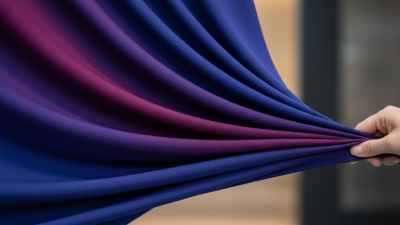
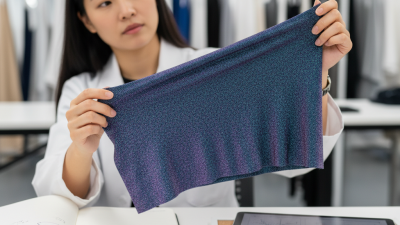
Elastic fabric has rapidly gained popularity in the fashion industry. Its unique characteristics make it a favorite among designers and consumers alike. This fabric is known for its exceptional stretchability. It can easily return to its original shape, which ensures a comfortable fit. Many garments, from leggings to fitted dresses, effectively utilize this feature.
Another notable characteristic is breathability. Elastic fabrics often incorporate materials that allow air circulation. This quality makes them ideal for both activewear and casual outfits. However, one must consider the blend of fibers used. Sometimes, choosing the wrong combination leads to less durability. Additionally, while elastic fabrics provide comfort, they may lose their shape over time if not cared for properly. Proper maintenance is key to prolonging their lifespan and retaining their original look.
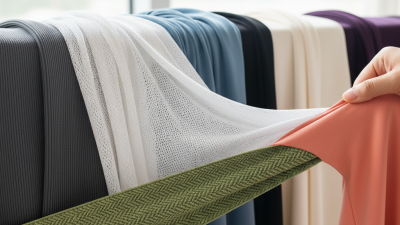
Elastic fabric's adaptability also extends to various styles and trends. It can be designed in vibrant colors or subtle tones. However, finding the right balance between style and functionality can be tricky. Consumers must evaluate their preferences carefully. Is it more important to stay trendy or be comfortable? This ongoing debate leads to important decisions in fashion choices, making elastic fabric a versatile yet challenging option.
Top 10 Benefits of Using Elastic Fabric for Your Fashion Needs
| Benefit |
Description |
Application |
| Comfort |
Elastic fabric provides great stretchability and comfort. |
Activewear, everyday clothing |
| Fit |
Hugs the body for a tailored look. |
Fitted dresses, leggings |
| Durability |
Resistant to wear and tear. |
Daily wear, sports gear |
| Breathability |
Allows air circulation, keeping you cool. |
Summer clothing, workout attire |
| Versatility |
Suitable for a variety of designs and styles. |
Casual wear, formal wear |
| Easy Care |
Generally machine washable and quick-drying. |
Everyday clothing, travel outfits |
| Color Retention |
Retains color well even after washing. |
Fashionable apparel, sportswear |
| Moisture Wicking |
Draws sweat away from the body. |
Sporting goods, activewear |
| Eco-Friendly Options |
Sustainable elastic fabrics are becoming more available. |
Eco-conscious fashion |
Enhanced Comfort: How Elastic Fabric Improves Wearability
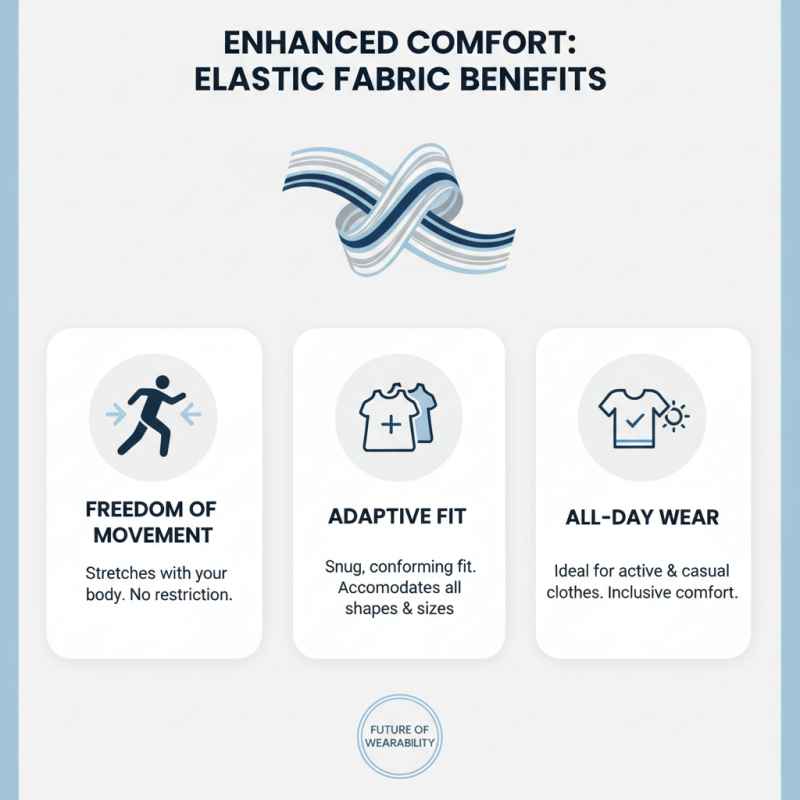
Elastic fabric is revolutionizing the way we think about wearability in fashion. One of its key benefits is enhanced comfort. The stretchable nature of elastic materials allows garments to move with the body, providing a snug fit without restriction. This feature is especially important in activewear and casual clothing. Clothes made from elastic fabrics can accommodate various body shapes and sizes, making them more inclusive for diverse consumers.
When choosing elastic fabrics, consider the blend of materials. A combination of cotton and spandex can offer breathability while maintaining flexibility. Remember, the fabric's weight matters too. Lightweight elastic fabrics are perfect for warm weather, while heavier blends are ideal for cooler climates. Also, always check the care instructions. Some elastic fabrics can lose their shape if not washed properly.
Tips: Don’t hesitate to try different styles. Elastic fabric can adapt well to both tailored and relaxed fits. Experiment with layering different textures to enhance your style. If comfort is your priority, look for fabrics that have good moisture-wicking properties. Remember, true comfort comes not just from the fabric, but also from how well the clothes fit your body.
Flexibility and Freedom: The Benefits of Elasticity in Fashion Design
Elastic fabric is transforming the fashion industry by offering unparalleled flexibility and freedom. Designers can craft garments that move with the body, allowing for enhanced comfort. According to a recent report by the Textile World, 80% of consumers seek comfort in their clothing choices. This statistic underscores the growing demand for materials that provide both style and wearability.
Elasticity in fashion design enables innovative silhouettes. It allows for looser fits, which can cater to broad body types. Furthermore, it creates dynamic styles that change shape with movement. This adaptability is becoming essential as more consumers prioritize functionality in fashion. However, some designers struggle to balance aesthetic appeal with fabric performance. Not every elastic material exhibits the same resilience or quality. The challenge remains to find the right blend that doesn’t compromise on style.
Moreover, elastic fabrics often present challenges in sustainability. The production process can involve materials that are not environmentally friendly. A report by the Sustainable Apparel Coalition suggests that up to 30% of the fashion industry’s environmental impact is due to fabric choices. This raises questions about long-term sustainability versus short-term benefits. Some designers are exploring eco-friendly alternatives to traditional elastic materials. The quest for a balance continues in this evolving landscape of fashion design.
Durability and Longevity: Why Elastic Fabric Outperforms Other Materials
Elastic fabric offers outstanding durability and longevity, making it a preferred choice in fashion. According to a recent industry report, garments made from elastic materials last 30% longer than those crafted from traditional fabrics. This resilience is due to the unique fibers in elastic materials, which can stretch and return to their original shape without damage. This characteristic is essential for active clothing, ensuring that garments maintain their fit over time.
In addition, elastic fabrics resist fading and wear better than many alternatives. Research indicates that elastic materials experience less than 5% color loss after 50 washes. This quality not only enhances the garment's visual appeal but also contributes to sustainability. Less frequent replacements lead to lower environmental impact. However, it’s crucial to note that while elastic fabrics provide great utility, their production methods may raise concerns about environmental sustainability. As the industry evolves, addressing these issues becomes more important. The longevity of elastic fabric adds value, but we must always reflect on our choices and their broader consequences.
Top 10 Benefits of Using Elastic Fabric for Your Fashion Needs
Sustainability in Fashion: The Eco-Friendly Aspects of Elastic Fabric
Sustainable fashion is a growing trend. Elastic fabric plays a vital role in this movement. It is often made from recycled materials, reducing waste. According to recent industry data, approximately 75% of plastic waste can be recycled. This means a significant reduction in landfill contributions when using elastic fabrics.
The eco-friendly aspects of elastic fabric are noteworthy. Using materials like organic cotton or recycled polyester minimizes environmental impact. Research indicates that recycled polyester can save up to 90% of water compared to virgin polyester. Elastic fabric also allows for versatile designs, reducing the need for multiple pieces.
However, the industry still faces challenges. Not all elastic fabrics are created equal. Some may use harmful chemicals in production. It's essential to choose wisely and seek transparency in manufacturing processes. Consumers are increasingly aware of these issues, pushing for better practices. The journey towards truly sustainable fashion continues, but elastic fabrics are a step in the right direction.