Top 10 Uses of Weft Knitted Fabric in Fashion and Design?
In the dynamic realm of fashion and design, "Weft Knitted Fabric" is a versatile material that captivates designers and consumers alike. Renowned textile expert Dr. Emily Carter emphasizes its significance, stating, "Weft knitted fabric bridges comfort and style effortlessly." This assertion highlights the fabric's unique qualities and diverse applications.
Weft knitted fabric is known for its stretch, softness, and durability. These attributes make it a popular choice for various garments, from casual wear to elegant dresses. However, the ease of use can sometimes lead to oversights in design execution, resulting in garments that lack innovation. This constant balance between creativity and practicality is vital.
Moreover, its applications extend beyond clothing to accessories and home textiles. While this fabric's adaptability is remarkable, it's essential to recognize that not all designs meet the high expectations of consumers. The challenge lies in pushing boundaries while maintaining quality. Weft knitted fabric indeed plays a crucial role, but it demands thoughtful consideration in its use.
Weft Knitted Fabric: An Overview of Its Characteristics
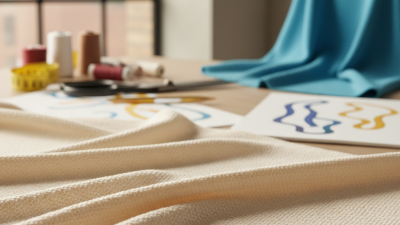
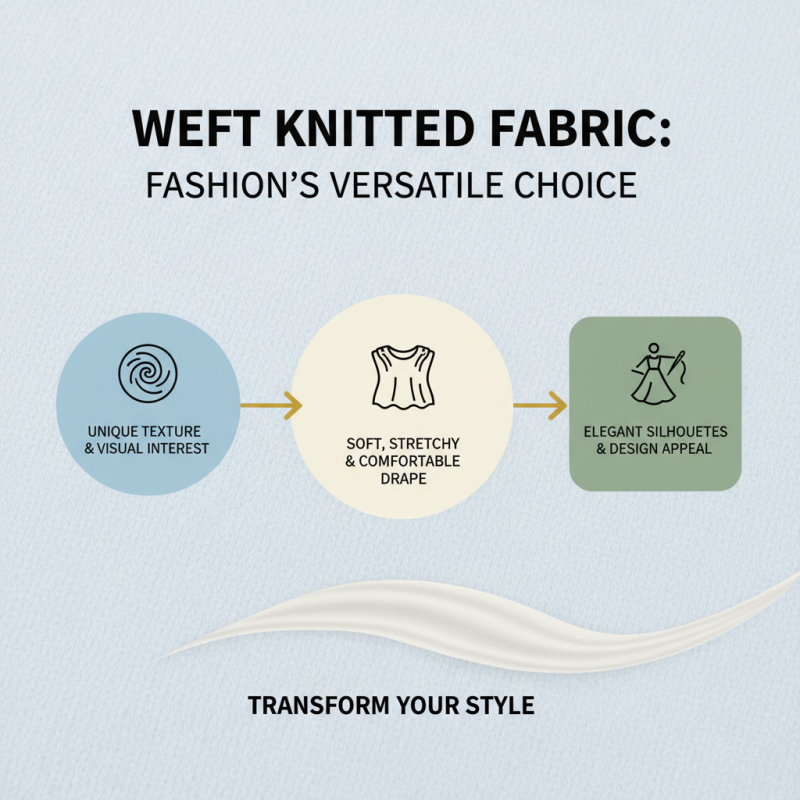
Weft knitted fabric is known for its unique characteristics. It features interlocking loops, creating a stretchy and comfortable material. This fabric is often lightweight yet strong. The versatility allows for various uses in fashion and design.
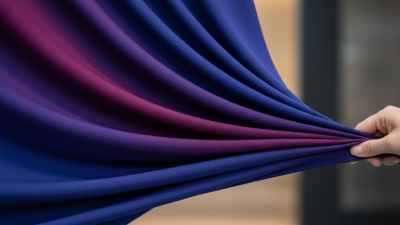
When using weft knitted fabric, consider its drape and elasticity. It maintains shape well, making it ideal for form-fitting garments. However, be mindful of pilling, which can occur over time. Regular maintenance helps prolong its lifespan.
Tips: Always test a small swatch first. This will help gauge how the fabric handles after washing. Think about pairing with other materials for striking combinations. Finally, be aware that not all weft knitted fabrics react the same way to dyes.
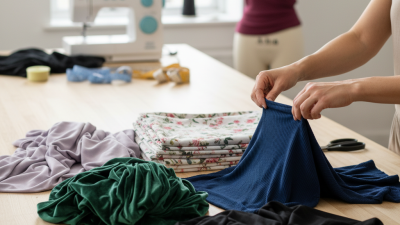
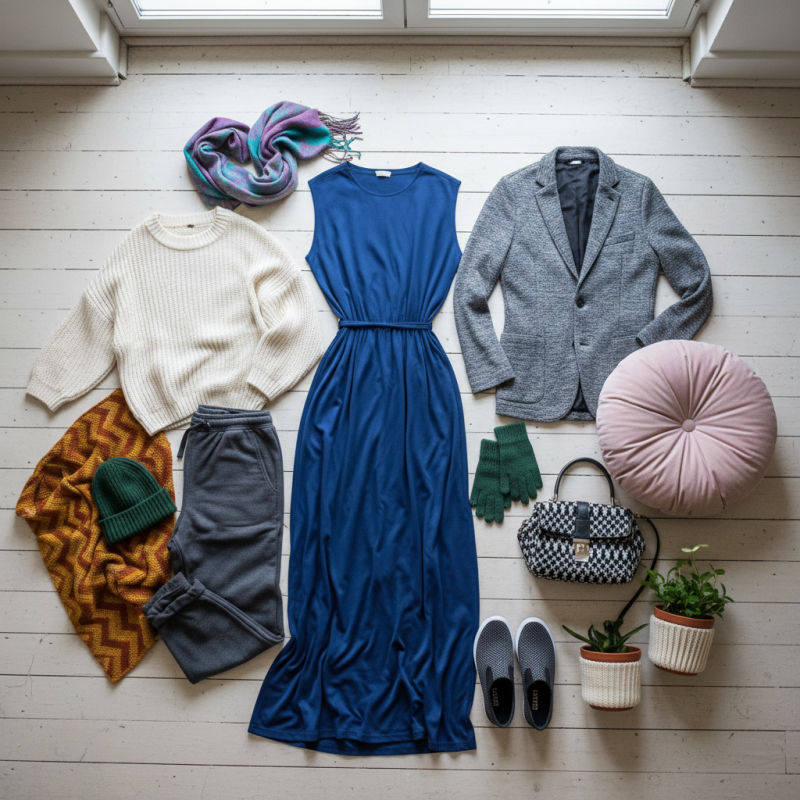
Fashion designers love this fabric for its adaptability. It can be used for casual wear, activewear, or even evening dresses. Each piece made can feel distinct. However, it is essential to refine your design to enhance the fabric's natural qualities. Some products may feel underwhelming if not crafted well. Focus on balance and proportion to achieve the best results.
Top 10 Uses of Weft Knitted Fabric in Fashion and Design
| Use |
Description |
Benefits |
| T-Shirts |
Casual wear with soft and stretchy fabric. |
Comfortable, breathable, and versatile. |
| Sweaters |
Warm and cozy knitwear for colder months. |
Insulation and flexibility in styling. |
| Activewear |
Sports clothing designed for various activities. |
Moisture-wicking and lightweight properties. |
| Leggings |
Stretchable pants suitable for casual and athletic use. |
Flexibility and comfort during movement. |
| Dresses |
Feminine outfits that can be styled for various occasions. |
Flowy, comfortable fit with various design options. |
| Underwear |
Soft and form-fitting garments. |
Comfortable and minimizes chafing. |
| Hoodies |
Casual outerwear with a hood. |
Warmth and style, suitable for layering. |
| Scarves |
Accessorizing garments while providing warmth. |
Lightweight and easy to style. |
| Baby Clothing |
Soft garments designed for infants. |
Gentle on skin and comfortable fit. |
| Costumes |
Knit fabrics used for theatrical or cosplay outfits. |
Creative expressions with elasticity for movement. |
Versatility in Fashion: Utilization of Weft Knitted Fabric Across Styles
Weft knitted fabric has become a favorite in the fashion industry. Its versatility allows designers to create a wide range of styles, from casual wear to high fashion. In 2023, reports showed that knitted textiles account for over 30% of the global fabric market. This trend highlights how important weft knitting is in contemporary fashion design.
The unique properties of weft knitted fabric make it ideal for layering. It's soft, stretchy, and breathable. These qualities offer comfort while maintaining shape, appealing to both designers and consumers.
For example, casual dresses made from this fabric are not only stylish but also great for day-to-night transitions. Furthermore, the recent shift towards sustainable fashion adds another layer of interest. Consumers are increasingly looking for eco-friendly materials. Weft knitted fabrics, made from organic fibers, meet this demand.
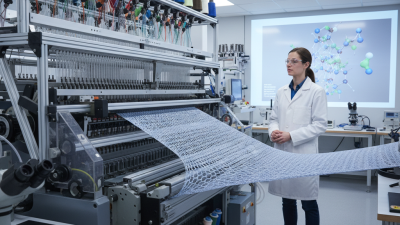
However, challenges exist. The production process can be resource-intensive, impacting sustainability goals. Additionally, maintaining consistency in texture and fit is difficult. Designers often grapple with these issues during the creative process. As we progress, innovations in knitting technology may offer solutions. The journey of integrating weft knitted fabrics into fashion continues to evolve, reflecting both creativity and responsibility in design.
Comfort and Fit: Why Weft Knitted Fabrics Are Preferred for Activewear
Weft knitted fabrics have become the go-to choice for activewear due to their unique properties. These fabrics offer stretch, breathability, and softness that allow for a comfortable fit during physical activities. According to a report by Technavio, the global activewear market is projected to grow at a CAGR of over 6% from 2020 to 2024. This surge highlights the demand for materials that enhance performance while ensuring comfort.
For instance, the loop structure of weft knitting creates a fabric that easily adapts to body movements. This flexibility is essential for activities like yoga or running. However, not all weft knitted fabrics perform equally. Some may lose shape after multiple washes, which is a concern for sustainability. Reports indicate that 30% of consumers prioritize durability when purchasing athletic wear. Therefore, manufacturers need to ensure they use high-quality yarns that maintain their integrity over time.
Moreover, moisture-wicking properties provide additional comfort, drawing sweat away from the skin. This can significantly enhance the wearer's experience during strenuous workouts. But it’s crucial to remember that not everyone's body type may find weft knitted fabrics equally flattering. Some may struggle with fit issues, leading to discomfort. Fashion designers must constantly reassess their designs to cater to diverse body shapes and preferences. Addressing these challenges can help unlock the full potential of weft knitted fabrics in the activewear market.
Top 10 Uses of Weft Knitted Fabric in Fashion and Design
This chart illustrates the popularity of various uses of weft knitted fabric in fashion and design. Activewear leads in popularity due to its comfort and fit, making it ideal for physical activities. Other notable categories include sportswear and casual wear, showcasing the versatility of this fabric.
Innovative Uses: Weft Knitted Fabrics in High Fashion and Couture
Weft knitted fabrics are transforming high fashion and couture design. These materials offer remarkable flexibility and comfort. Their unique structure allows for intricate patterns and creative designs. Designers enjoy the way weft knits drape and mold to the body. This versatility can lead to both stunning and less successful outcomes. Some designs risk being too loose, losing their intended shape.
In high fashion, weft knitted fabrics spark innovative ideas. Think about how they can create dimensional textures. Layering these fabrics can establish depth in a garment. But not every attempt is a hit; sometimes the fabric may not hold up under elaborate styling. Challenges arise when balancing structure with fluidity. Yet, the potential remains.
Moreover, weft knits lend themselves well to sustainability in fashion. Their production can be more eco-friendly than traditional fabrics. However, there are always questions to ponder. Does a sustainable choice compromise style? As designers experiment, the search for balance continues. Fashion is about pushing boundaries, and weft knits allow for both creativity and reflection.
Conclusion
Weft Knitted Fabric has emerged as a versatile material in the fashion and design industry, characterized by its unique properties that offer comfort, flexibility, and a range of textures. Its adaptability allows for incorporation across various styles, making it a popular choice for both casual and formal wear. Particularly valued in activewear, Weft Knitted Fabric ensures a comfortable fit, enhancing performance without sacrificing style.
Moreover, its innovative applications in high fashion and couture demonstrate the material's capacity to elevate design aesthetics. As sustainability becomes a paramount concern in fashion, the role of Weft Knitted Fabrics in eco-friendly designs is gaining recognition, showcasing their potential for creating stylish yet sustainable garments. Overall, Weft Knitted Fabric stands out as a key player in modern fashion, offering a blend of practicality and creativity.