How to Use Elastic Fabric for Your Sewing Projects?
Elastic fabric has revolutionized the world of sewing. Its versatility allows for a range of projects, from clothing to home decor. Many crafters appreciate its stretch, which offers comfort and flexibility. However, using elastic fabric can be tricky.
Understanding the properties of this material is crucial. It can behave differently compared to standard fabrics. For example, sewing techniques may vary. You might find that your fabric shifts or distorts while stitching. Consider testing on scraps before starting your main project. Elastic fabric works well for fitted garments and active wear, but it can also challenge less experienced sewers.
It's essential to choose the right needle and thread for your projects. A ballpoint needle can prevent damage to the fibers. Similarly, a stretch thread may yield better results in your seams. Reflect on your sewing experience with such materials. Have you faced challenges in past projects? Learning from errors is part of the journey. Embrace these moments, and you'll become a more skilled and confident creator.
Understanding Elastic Fabric and Its Properties
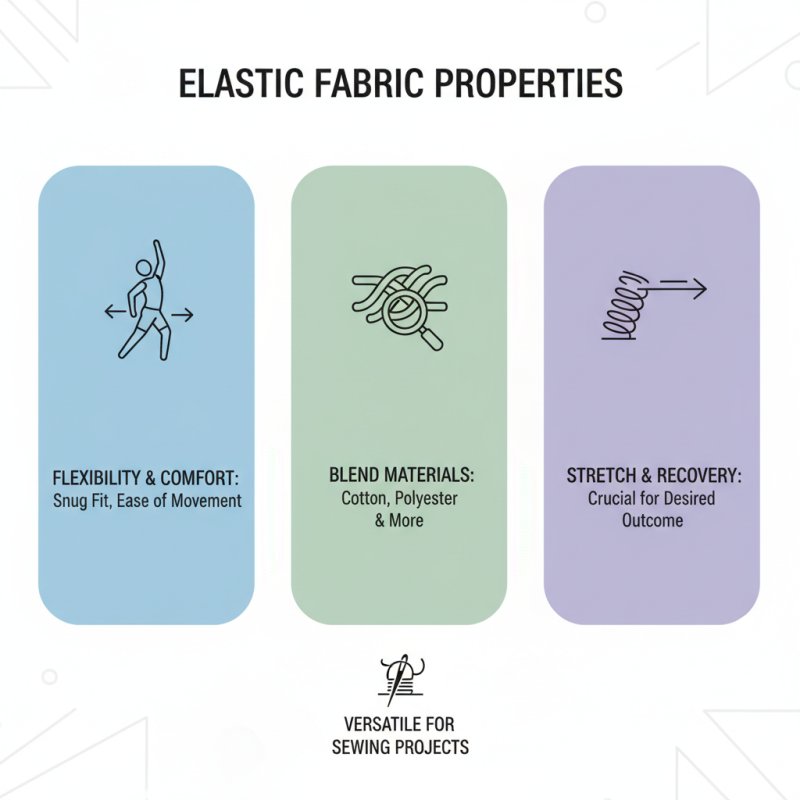
Elastic fabric is a versatile material that plays a crucial role in many sewing projects. Its unique properties make it ideal for creating garments that require flexibility and comfort. This type of fabric is typically blended with fibers like cotton or polyester. The stretchability allows for a snug fit while ensuring ease of movement. When working with elastic fabric, understanding its elasticity is essential to achieving the desired outcome.
One important aspect to consider is the weight of the elastic fabric. Heavier fabrics provide more structure but can be challenging to work with. Lighter pieces are easier to sew but may not hold their shape as well. Sewing with elastic requires adjusting your techniques, such as using a stretch stitch or a zigzag stitch to accommodate the movement. It’s also important to match your thread. Using the wrong thread can lead to breakage. The fabric can sometimes slide as you sew, leading to uneven seams. This is a common pitfall for many crafters. Pay attention to your needle choice too; a ballpoint needle works best with knits. Embracing these details will help enhance the quality of your sewing projects.
Choosing the Right Type of Elastic Fabric for Your Project
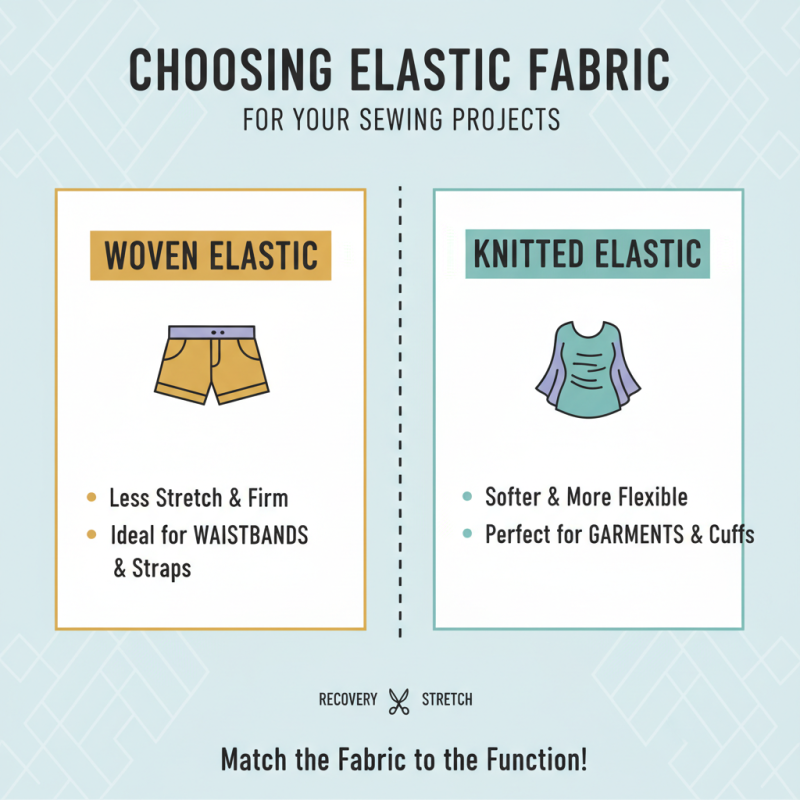
Choosing the right type of elastic fabric is crucial for the success of your sewing projects. Different types of elastic fabrics offer various levels of stretch and recovery. For instance, woven elastic provides less stretch but is ideal for waistbands. On the other hand, knitted elastic is softer and perfect for garments that require more flexibility.
Consider the purpose of your project when selecting the fabric. If you’re making activewear, choose elastic fabric with high stretch and moisture-wicking properties. For craft projects, a basic elastic can suffice. Test a few samples before committing to one type. This can save you time and frustration later.
It's also important to think about how the elastic will perform over time. Will it lose its elasticity after multiple washes? Reflect on durability as well as comfort. Sometimes, opting for a less popular type of elastic can lead to unique results, but be cautious. Each project may teach you something new about fabric behavior. Explore, experiment, and don’t shy away from making mistakes along the way.
Preparing Your Sewing Machine for Elastic Fabric
When preparing your sewing machine for elastic fabric, ensure your machine is clean and free of dust. Clear the bobbin area and the needle plate. This step is crucial for smooth stitching. Install a new needle designed for stretch fabrics. A good needle makes a difference in how the elastic is sewn.
Adjusting the tension settings is key. Most machines need a lower tension for elastic fabrics. Test on scrap fabric to find that sweet spot. The right tension helps prevent puckering. Also, consider using a straight stitch or a zigzag stitch; both work well. If you notice skipped stitches, check your needle and adjust the stitch length.
Don’t forget to use the right presser foot. A walking foot can help move elastic fabric evenly. This reduces frustration and keeps your sewing consistent. Remember to take your time when sewing. Rushing can lead to mistakes and uneven seams. Keep practicing and learn from any issues that arise. Your sewing journey is all about refining your skills.
How to Use Elastic Fabric for Your Sewing Projects? - Preparing Your Sewing Machine for Elastic Fabric
| Sewing Machine Setting |
Recommended Value |
Tips |
| Stitch Type |
Zigzag Stitch |
Choose a width of 3-5 mm for best elasticity. |
| Stitch Length |
2-3 mm |
Shorter stitches provide better support for elastic fabrics. |
| Tension Setting |
Lower Tension |
Reduce tension to allow for stretch in fabric. |
| Needle Type |
Ballpoint Needle |
Use for knits to avoid damaging the fabric. |
| Foot Type |
Walking Foot |
Helps prevent fabric from shifting while sewing. |
Techniques for Sewing with Elastic Fabric
Sewing with elastic fabric can be both exciting and challenging. When working with this material, proper techniques are crucial for achieving good results. Start by choosing the right type of elastic fabric for your project. Stretchy materials like spandex or lycra are popular for activewear. However, they do require special handling.
Use a ballpoint needle for the best finish. This type of needle glides through knit fabrics without causing snags or runs. Keep your stitch length longer than usual. A 3.5mm to 4.0mm length works well. This allows the seams to stretch without breaking.
When stitching, avoid pulling the fabric too tight. Stretch it gently as you sew. If you find that the fabric puckers, consider adjusting your tension or trying a zigzag stitch. Sometimes, the choice of thread can affect the outcome too. Experiment with different types to see which works best for your project. Don't be discouraged if your first attempts aren't perfect. Each project is a learning experience.
Helpful Tips for Maintaining Elastic Fabric Projects
When working with elastic fabric, maintenance is key to ensuring your projects last. It’s important to wash your elastic items in cold water. Hot water can damage the fibers, leading to shrinkage or loss of elasticity. Always air dry your creations instead of using the dryer. High heat can warp elastic, ruining the fit.
Regular inspection is crucial for long-lasting projects. Stretch the fabric gently every few weeks. Look for signs of wear or thinning areas. If you notice any damage, it’s better to reinforce those areas before they tear. Proper storage is essential too. Avoid folding the elastic fabric tightly, as this can create creases that don’t bounce back.
Do not forget about how you use elastic fabric in different projects. Each type of elastic can have varying levels of stretch and recovery. Experiment with a few samples to find what's best for your needs. Sometimes, imperfections in your sewing might reveal flaws in the choice of fabric. Embrace the learning process, as every mistake offers valuable insights.
Elastic Fabric Usage in Sewing Projects