What is Warp Knitted Fabric and its Benefits?
Warp knitted fabric is gaining attention in the textile industry for its unique properties and applications. According to Dr. Emily Carter, a leading expert in textile engineering, "Warp knitted fabrics provide superior strength and flexibility." This statement highlights the importance of this innovative fabric.
Warp knitted fabric is characterized by its interlocking loops, creating a structure that is incredibly versatile. It is used in sportswear, lingerie, and technical textiles. The advantages are numerous: it offers excellent elasticity and recovery, breathability, and resistance to fraying. However, while warp knitted fabric excels in many areas, it also presents challenges in production techniques.
Precision is crucial when creating warp knitted fabric. Any error in the knitting process can result in defects. This imperfection serves as a reminder that, while the technology is advanced, there is always room for improvement. Continuous innovation is necessary to fully realize the potential of warp knitted fabric in various industries.
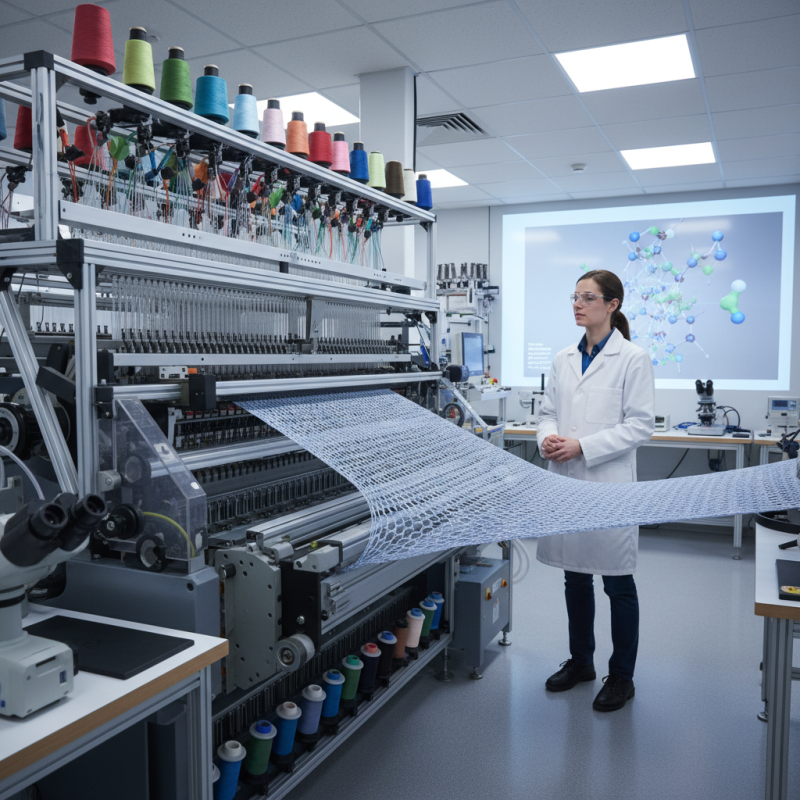
Definition of Warp Knitted Fabric
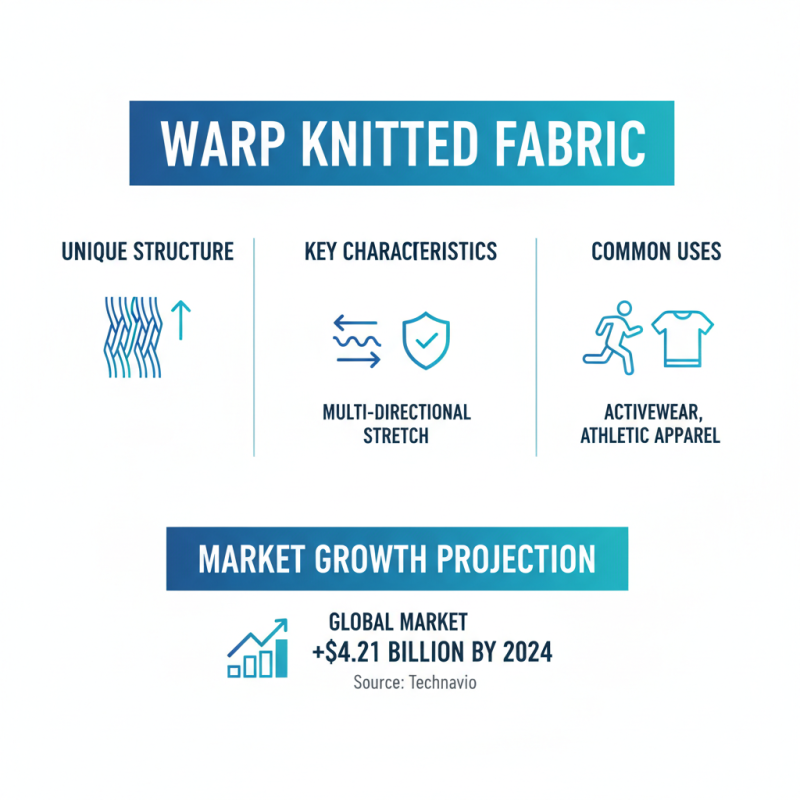
Warp knitted fabric is a unique textile formed by interlocking yarns in a specific pattern. Unlike weft knitting, warp knitting uses a set of vertical yarns that provide distinct characteristics. This method gives the fabric excellent stability and elasticity. According to industry reports, the warp knitting market is projected to grow by 5.1% annually, reflecting its rising popularity.
One key advantage of warp knitted fabric is its durability. The interlocking structure resists fraying and maintains shape better than many other fabrics. For example, it performs well under stress and is less likely to tear. Additionally, the fabric often offers moisture-wicking properties, making it suitable for sports and outdoor gear. Data from the Textile Research Journal indicates that garments made from warp knitted fabrics have a longer lifespan compared to traditional weaves.
However, it is essential to consider some downsides. Warp knitted fabrics can be more expensive to produce, which may limit their use in some lower-cost applications. Also, the flexibility of the fabric can sometimes lead to sagging or distortion over time with improper care. While many embrace the benefits, these limitations highlight the need for thoughtful usage in design and production practices.
Key Characteristics of Warp Knitted Fabric
Warp knitted fabric stands out due to its unique structure and characteristics. This type of fabric is created using a series of yarns that run vertically, allowing for significant stretch and durability. Commonly used in activewear, the fabric can stretch in multiple directions. This versatility is a key reason for its growing popularity in the textile industry. According to a report by Technavio, the global warp knitting market is projected to grow by 4.21 billion USD by 2024.
One notable characteristic is the fabric's breathability. Warp knits allow for greater airflow compared to traditional fabrics. This makes them an ideal choice for sports apparel and outdoor gear. Additionally, it resists fraying and unraveling. This durability lends itself well to heavy-duty use. However, producing warp knitted fabrics can be resource-intensive. The machinery and technology involved may demand higher initial investments, which can be a challenge for smaller manufacturers.
Warp knitted fabrics also offer excellent shape retention. They maintain their form after repeated use, which implies longevity. The comfortable fit also enhances consumer appeal. Yet, high-quality warp knitted fabrics may come with a higher price tag. This factor sometimes poses a barrier for price-sensitive consumers. Nevertheless, the increasing trend towards quality and sustainability could offset this issue in the long run.
Common Applications of Warp Knitted Fabric
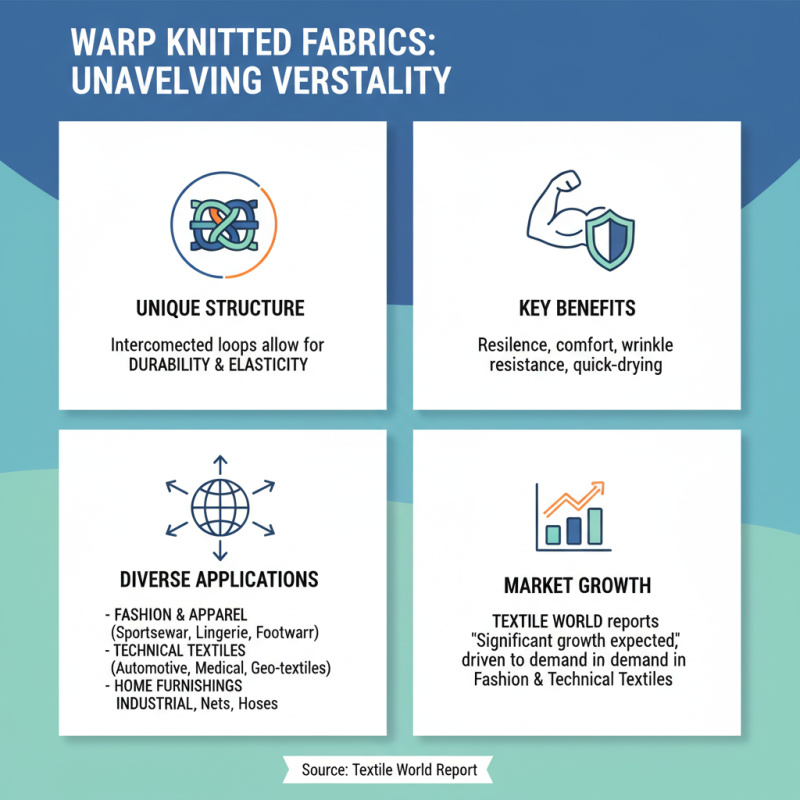
Warp knitted fabric is versatile and has various applications across different industries. This unique fabric type features a distinct structure, which allows for enhanced durability and elasticity. According to a report by Textile World, the warp knitting market is expected to grow significantly, reflecting robust demand in fashion and technical textiles.
One common application is in the apparel industry. Warp knitted fabrics are frequently used in activewear due to their breathability and stretch properties. This makes them ideal for sports bras, leggings, and swimwear. In fact, the global activewear market is projected to reach $500 billion by 2024, with warp knits playing a crucial role.
Another significant area is in automotive interiors. Warp knitted fabrics provide comfort and durability for car seats and interiors. They can be engineered to meet specific performance standards. Yet, challenges remain in balancing fabric aesthetics with performance. This evolving technology demands continuous innovation. The need for sustainable practices also prompts manufacturers to reassess material sourcing and production methods.
Advantages of Using Warp Knitted Fabric
Warp knitted fabric offers numerous advantages that make it a preferred choice in various applications. This type of fabric is produced using warp knitting machines, which create a unique structure. The resulting fabric is highly elastic and maintains its shape well. This is especially beneficial for garments that require comfort and movement, such as activewear and undergarments.
Another key benefit of warp knitted fabric is its durability. The interlocking structure makes it resistant to tearing and fraying. Additionally, it can withstand frequent washing without losing its integrity. Many users appreciate that it retains its color over time, even after multiple laundry cycles. However, it is essential to consider that not all warp knits perform equally. Some may be prone to snagging, which can lead to unsightly pulls in the fabric.
Another important aspect is breathability. Many warp knitted fabrics allow air to pass through, which helps regulate body temperature. This property is crucial for athletic activities. However, the level of breathability can vary based on the specific knit pattern. While some fabrics excel in this area, others may fall short. Balancing comfort and performance is a common challenge in choosing the right warp knitted fabric.
Comparison with Other Types of Knitted Fabrics
Warp knitted fabrics offer unique advantages compared to other knitted types. Their construction involves interlocking yarns in a way that gives them greater stability. As a result, they tend to be less prone to unraveling than weft knitted fabrics. This stability makes them excellent for activewear and upholstery. Indeed, their durability is a notable quality.
When contrasted with circular knitted fabrics, warp knits have a tighter structure. This provides a smoother surface and a more polished finish. Yet, the manufacturing process is more complex, which can drive up production costs. Additionally, while they are versatile, some designers feel warp knitted fabrics lack the same softness as weft knits.
Lace and tricot are other types of knitted fabrics. They often have a lighter feel and are more flexible. However, they may compromise on strength and longevity. In practice, the choice between these fabrics relies on the intended use. One must consider the balance between durability and comfort carefully. Warp knitted fabrics, while robust, might not always win every design battle.
Comparison of Warp Knitted Fabric with Other Types of Knitted Fabrics
Warp knitted fabrics are generally more durable compared to weft knitted, crochet, and flat knitted fabrics. In this chart, a durability rating is provided based on common industry assessments, highlighting the advantages of warp knitted fabric.